
That constant sound of water running in your toilet is more than just annoying — it is wasting water and money. A running toilet can waste 200 gallons of water per day or more, adding $50 to $100 per month to your Fort Myers water bill. The good news is that most running toilet issues are caused by a handful of inexpensive, easy-to-diagnose parts inside the tank.
How Your Toilet Works
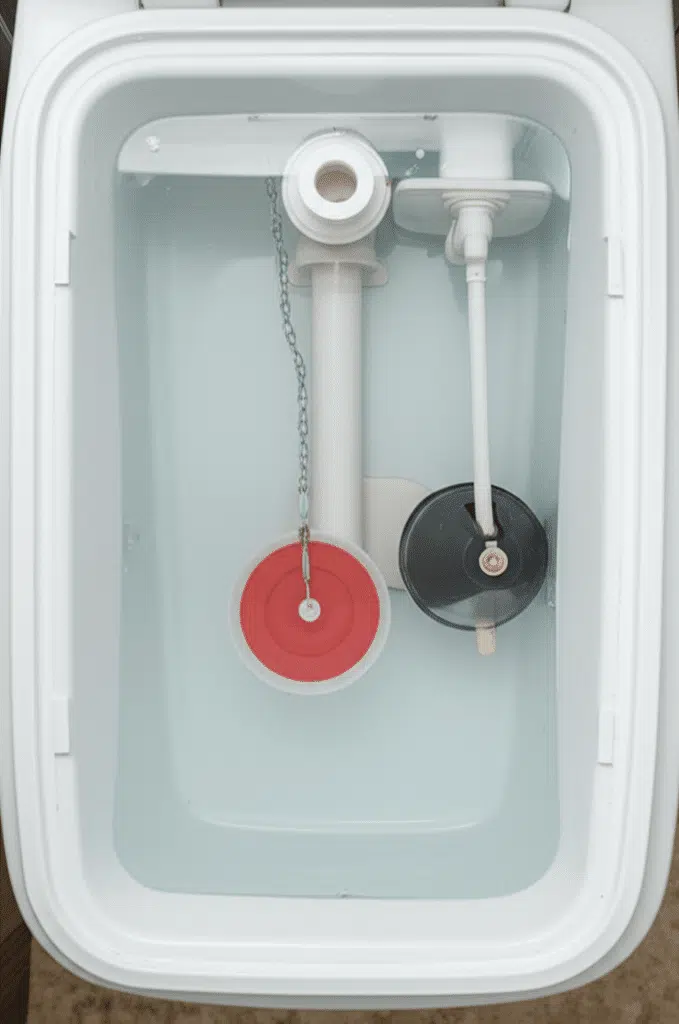
Understanding the basic mechanics inside your toilet tank makes troubleshooting much easier. When you flush, a chain lifts the flapper valve at the bottom of the tank, releasing water into the bowl. As the tank empties, the flapper closes and the fill valve opens, refilling the tank with fresh water. A float mechanism rises with the water level and signals the fill valve to shut off when the tank is full. A running toilet means one of these components is not working correctly.
The 5 Most Common Causes of a Running Toilet
1. Worn or Warped Flapper
The flapper is the most common cause of a running toilet, responsible for about 80% of cases. The flapper is a rubber seal at the bottom of the tank that lifts when you flush and closes to hold water between flushes. Over time, the rubber deteriorates, warps, or develops mineral deposits from Fort Myers’ hard water, preventing it from creating a tight seal.
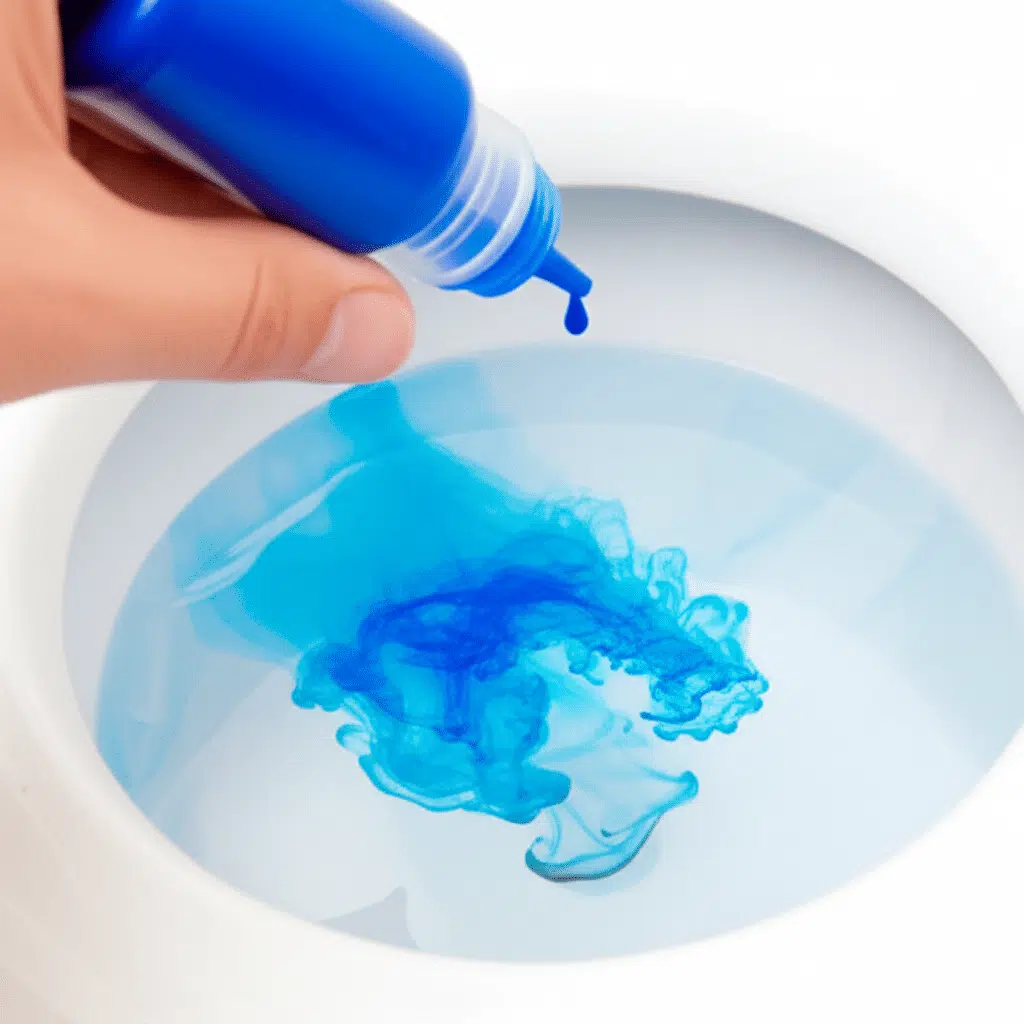
How to test: Add a few drops of food coloring to the tank water. Wait 15 minutes without flushing. If colored water appears in the bowl, your flapper is leaking.
How to fix: Flappers cost $3 to $10 at any hardware store. Turn off the water supply valve behind the toilet, flush to empty the tank, unhook the old flapper from the overflow tube, and snap the new one in place. The entire repair takes about 5 minutes.
2. Flapper Chain Problems
The chain connecting the flush handle to the flapper needs to be the right length. If the chain is too short, it holds the flapper partially open, allowing water to leak constantly. If the chain is too long, it can get caught under the flapper and prevent it from sealing.
How to fix: Adjust the chain so there is about 1/2 inch of slack when the flapper is closed. If the chain is tangled or corroded, replace it. Most replacement flappers come with a new chain included.
3. Float Set Too High
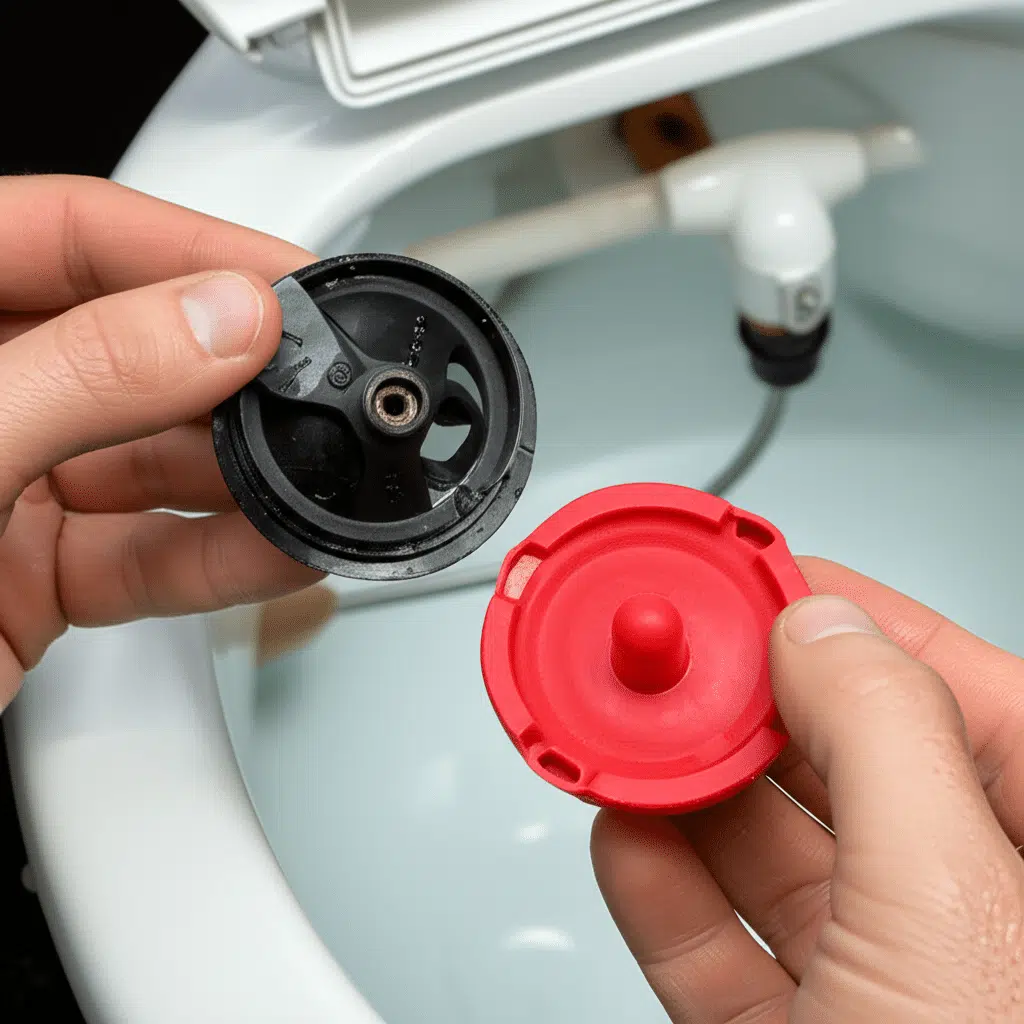
The float controls the water level in the tank. If the float is set too high, water rises above the overflow tube and continuously drains into the bowl. You will hear the fill valve cycling on and off as it tries to maintain a water level that keeps overflowing.
How to fix: For ball-float mechanisms (the large ball on a metal arm), bend the arm slightly downward to lower the float position. For cup-float mechanisms (the float that slides up and down the fill valve), pinch the spring clip and slide the float down about 1/2 inch. The water level should sit about 1 inch below the top of the overflow tube.
4. Faulty Fill Valve
The fill valve controls the flow of fresh water into the tank after a flush. When a fill valve fails, it may run continuously, cycle on and off randomly, or produce a high-pitched whining sound. Fill valves typically last 5 to 7 years but can fail sooner in Fort Myers due to mineral deposits from our hard water.
How to test: Lift the float arm or cup all the way up by hand. If the water keeps running with the float in the fully raised position, the fill valve is faulty.
How to fix: Universal fill valves cost $8 to $15 and fit most toilets. Turn off the water supply, flush the tank, disconnect the water supply line, unscrew the old fill valve from the bottom of the tank, and install the new one. Adjust the float height so the water level sits 1 inch below the overflow tube.
5. Cracked Overflow Tube
The overflow tube is the tall vertical pipe in the center of the tank. If it cracks or breaks at the base, water leaks directly into the bowl. This is less common than flapper or fill valve issues but happens in older toilets or when the tube has been overtightened during a previous repair.
How to fix: A cracked overflow tube usually requires replacing the entire flush valve assembly ($15 to $25). This repair involves removing the tank from the bowl, which is more involved than replacing a flapper or fill valve. If you are not comfortable with this repair, call a licensed plumber.
Step-by-Step Troubleshooting Guide
Follow this sequence to diagnose your running toilet:
- Step 1: Remove the tank lid and observe what is happening. Is water flowing over the overflow tube? Is the flapper visibly open or not sealing?
- Step 2: Do the food coloring test. Add dye to the tank and wait 15 minutes. If color appears in the bowl, the flapper is the problem.
- Step 3: Check the chain length. Ensure there is 1/2 inch of slack and no tangles.
- Step 4: Check the water level. It should be about 1 inch below the top of the overflow tube. If it is at or above the overflow, adjust the float.
- Step 5: Lift the float all the way up. If water still runs, the fill valve needs replacement.
- Step 6: Inspect the overflow tube for cracks, especially at the base where it connects to the flush valve.
The Cost of Ignoring a Running Toilet
Many Fort Myers homeowners put off fixing a running toilet because it seems like a minor annoyance. However, the costs add up quickly:
- Water waste: A running toilet can waste 200 to 1,000 gallons per day, depending on the severity of the leak.
- Higher water bills: At Fort Myers Utilities’ current rates, a running toilet can add $50 to $100+ per month to your bill.
- Annual impact: Left unfixed for a year, a running toilet can waste over 70,000 gallons and cost $600 to $1,200 in excess water charges.
- Environmental impact: Southwest Florida’s water supply comes from the Lower Tamiami Aquifer. Every gallon wasted strains this limited resource.
When to Call a Plumber
While most running toilet repairs are DIY-friendly, some situations call for a professional:
- You have replaced the flapper and fill valve but the toilet still runs
- The toilet is leaking at the base (between the tank and bowl or where it meets the floor)
- You hear gurgling sounds from other drains when the toilet flushes
- The toilet rocks or is not level, which can break the wax seal
- You have an older toilet model and cannot find compatible replacement parts
- You suspect the problem is in the water supply line rather than the tank components
A licensed Fort Myers plumber can diagnose issues beyond standard tank components, including problems with the flush valve seat, wax ring, closet flange, or supply line. In some cases, replacing an old toilet entirely is more cost-effective than continued repairs — especially since newer models use 1.28 gallons per flush compared to 3.5 to 5 gallons for older toilets.
Waterway Plumbing & Drain Cleaning services and installs all toilet brands throughout Fort Myers and Southwest Florida. Call (239) 471-5068 to schedule a repair.
Frequently Asked Questions
Why does my toilet keep running after I flush?
The most common cause is a worn flapper that is not sealing properly. Other causes include a chain that is too short or tangled, a float set too high, or a faulty fill valve. Try the food coloring test: add dye to the tank and wait 15 minutes. If color appears in the bowl without flushing, the flapper needs replacement.
How much water does a running toilet waste?
A running toilet can waste 200 to 1,000 gallons of water per day depending on the severity of the leak. At Fort Myers water rates, this can add $50 to $100 or more per month to your water bill. A simple flapper replacement ($3-$10) can stop the waste immediately.
Can I fix a running toilet myself?
Yes, most running toilet repairs are DIY-friendly. Replacing a flapper takes about 5 minutes and costs under $10. Replacing a fill valve takes 15-20 minutes and costs $8-$15. Both parts are available at any Fort Myers hardware store. If the problem persists after replacing these parts, call a licensed plumber.
How often should toilet parts be replaced?
Flappers should be replaced every 3 to 5 years, sooner in Fort Myers due to our hard water which accelerates rubber deterioration. Fill valves last 5 to 7 years. The flush handle and chain rarely need replacement unless they corrode. Proactive replacement of the flapper every few years prevents water waste and surprise repair calls.


