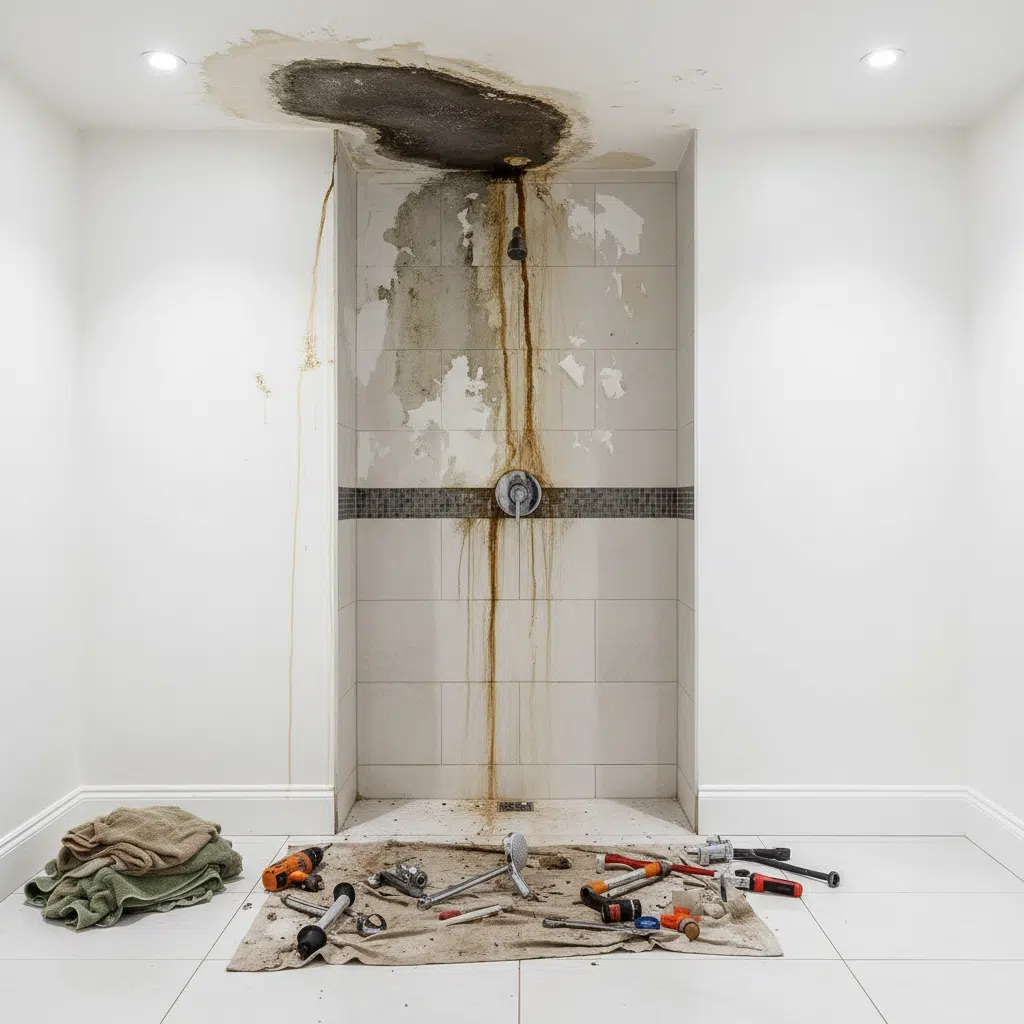

If you own an older home in Southwest Florida, there is a good chance your property sits on top of Orangeburg sewer pipes. These fiber-conduit pipes were installed in millions of homes between the 1940s and 1970s, and they are now reaching the end of their lifespan in dramatic fashion. Homeowners across Fort Myers, Cape Coral, and North Fort Myers are discovering that their Orangeburg sewer pipe in Florida has collapsed, deformed, or disintegrated underground — often with little warning until sewage backs up into the house.
Understanding what Orangeburg pipes are, why they fail, and what your replacement options look like can save you thousands of dollars and prevent a sewage disaster on your property. In this guide, we break down everything Florida homeowners need to know about these outdated sewer lines and when it is time to call a professional for replacement.
What Are Orangeburg Sewer Pipes?
Orangeburg pipe — sometimes called bituminous fiber pipe or “no-corrode” pipe — is a type of sewer line made from layers of wood pulp and pitch pressed together under heat. The name comes from Orangeburg, New York, where the Orangeburg Manufacturing Company produced these pipes starting in the 1860s. They became especially popular during World War II when metal was scarce and diverted to the war effort.
Builders loved Orangeburg pipe because it was lightweight, inexpensive, and easy to cut with a handsaw. Unlike cast iron or clay, it did not require special tools or skills to install. Municipalities across Florida approved Orangeburg for residential sewer laterals — the pipe running from your house to the city main — throughout the post-war building boom.

The problem is that Orangeburg was never designed to last more than 50 years. Most of these pipes are now 55 to 80 years old, and the wood-pulp material absorbs moisture, softens, and loses its structural integrity over time. According to the U.S. Environmental Protection Agency, aging sewer infrastructure is one of the leading causes of sanitary sewer overflows nationwide, and Orangeburg pipes are among the most failure-prone materials still in the ground.
Why Orangeburg Pipes Fail in Florida
Florida’s climate and soil conditions accelerate the deterioration of Orangeburg sewer pipes far beyond what homeowners in northern states experience. Several factors unique to Southwest Florida make these pipes especially vulnerable.
The high water table throughout Lee and Charlotte counties means Orangeburg pipes sit in saturated soil for much of the year. Constant moisture exposure causes the wood-pulp layers to swell, soften, and eventually turn to mush. During the rainy season from June through October, groundwater pressure can crush a weakened Orangeburg pipe flat — a condition plumbers call “egg-shaping” because the round pipe deforms into an oval before collapsing entirely.
Florida’s sandy, slightly acidic soil also eats away at the bituminous coating that protects the pipe exterior. Tree roots — especially from species like live oaks, ficus, and royal palms that thrive in our area — seek out the moisture escaping through deteriorating Orangeburg joints and bore directly into the pipe walls. Once roots penetrate the pipe, they expand rapidly and create blockages that cause sewage backups into your home.

Heat is another factor. Ground temperatures in Southwest Florida remain warm year-round, which softens the tar-based binder that holds Orangeburg pipe together. This thermal degradation happens slowly but continuously, weakening the pipe wall until it can no longer support the weight of the soil above it.
Warning Signs Your Orangeburg Pipe Is Failing
Most homeowners do not realize they have Orangeburg sewer pipes until something goes wrong. Here are the warning signs that your sewer lateral may be collapsing or severely compromised:
- Recurring drain backups — If your toilets, showers, or floor drains back up repeatedly despite professional drain cleaning, a collapsed Orangeburg pipe is a likely culprit.
- Slow drains throughout the house — When every drain in the home runs slowly at the same time, the problem is usually in the main sewer line, not individual fixture drains.
- Soggy or sunken spots in the yard — A broken Orangeburg pipe leaks sewage into the surrounding soil, creating wet patches, unusually green grass, or depressions in the lawn.
- Foul odors near the foundation or in the yard — Sewer gas escaping through cracks in a deteriorating Orangeburg line produces a distinct rotten-egg smell outdoors.
- Pest infestations — Rats, cockroaches, and drain flies can enter your home through gaps in a broken sewer pipe.
- Foundation cracks or settling — Sewage leaking from a failed Orangeburg pipe can erode the soil supporting your foundation, causing cracks and uneven settling.
If your home was built between 1945 and 1975 in the Fort Myers, Cape Coral, or North Fort Myers area and you have not replaced the sewer lateral, there is a strong possibility you are sitting on Orangeburg pipe that is nearing or past its expected lifespan.
Replacement Options for Orangeburg Sewer Pipes
When an Orangeburg sewer pipe fails, repair is generally not an option. The material is too degraded to patch or reline effectively. Full replacement is the standard recommendation from licensed plumbers and municipal inspectors throughout Lee County.
The two primary replacement methods available to Florida homeowners are traditional excavation and trenchless pipe bursting.
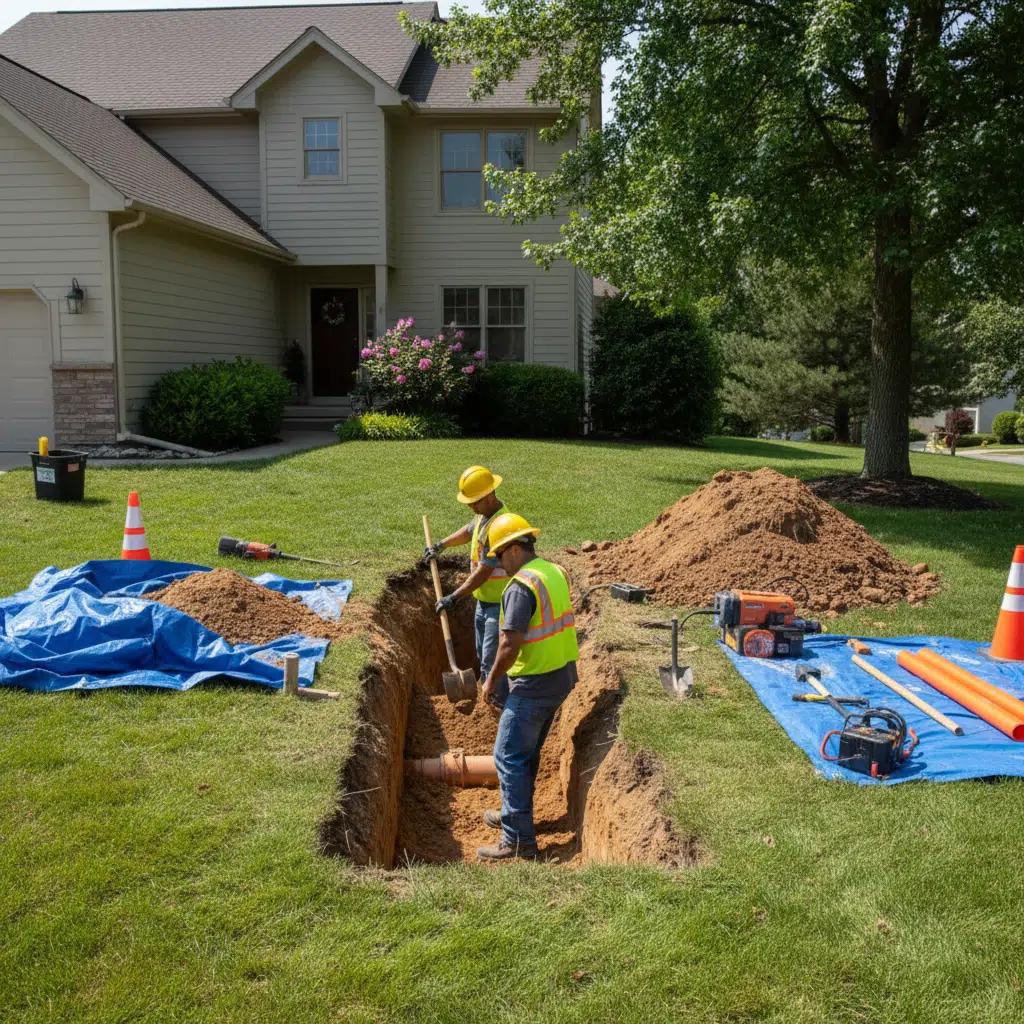
Traditional excavation involves digging a trench along the entire length of the sewer lateral, removing the old Orangeburg pipe, and installing a new PVC or ABS pipe in its place. This method is reliable and gives the plumber full visual access to the pipe bed, but it requires significant yard disruption including tearing up driveways, sidewalks, or landscaping that sits above the sewer line.
Trenchless pipe bursting pulls a new HDPE (high-density polyethylene) pipe through the old Orangeburg line, breaking the old pipe apart as the new one is drawn into place. This method requires only two small access pits — one at each end of the sewer lateral — and preserves your landscaping and hardscaping. Trenchless replacement is faster, often completing in a single day, though it costs slightly more than traditional excavation.
Both methods result in a new sewer line with a lifespan of 50 to 100 years. Your plumber will recommend the best approach based on the depth of the pipe, the length of the run, and any obstacles like trees, driveways, or utility crossings along the route.
How Much Does Orangeburg Pipe Replacement Cost in Southwest Florida?
The cost to replace an Orangeburg sewer pipe in the Fort Myers area typically ranges from $3,500 to $8,000 for a standard residential sewer lateral. Several factors influence the final price, including the length of the pipe run, the depth of the existing pipe, accessibility of the sewer line, and whether trenchless or traditional excavation is used.
Permits are required for sewer line replacement in Lee County and Charlotte County. Your licensed plumber will pull the necessary permits and schedule the required inspection after installation. Attempting to replace a sewer line without permits can result in fines and complications when you sell the property, as the work will not be on record with the building department.
Many homeowners are surprised to learn that homeowners insurance typically does not cover sewer line replacement due to normal wear and aging. However, some policies offer optional sewer and water line coverage as a rider. Check with your insurance provider before starting the project.
For homeowners dealing with orangeburg sewer pipe florida, getting clear guidance before a small issue turns into a larger repair can save time, money, and property damage.
Frequently Asked Questions About Orangeburg Sewer Pipe Florida
How do I know if my home has Orangeburg sewer pipes?
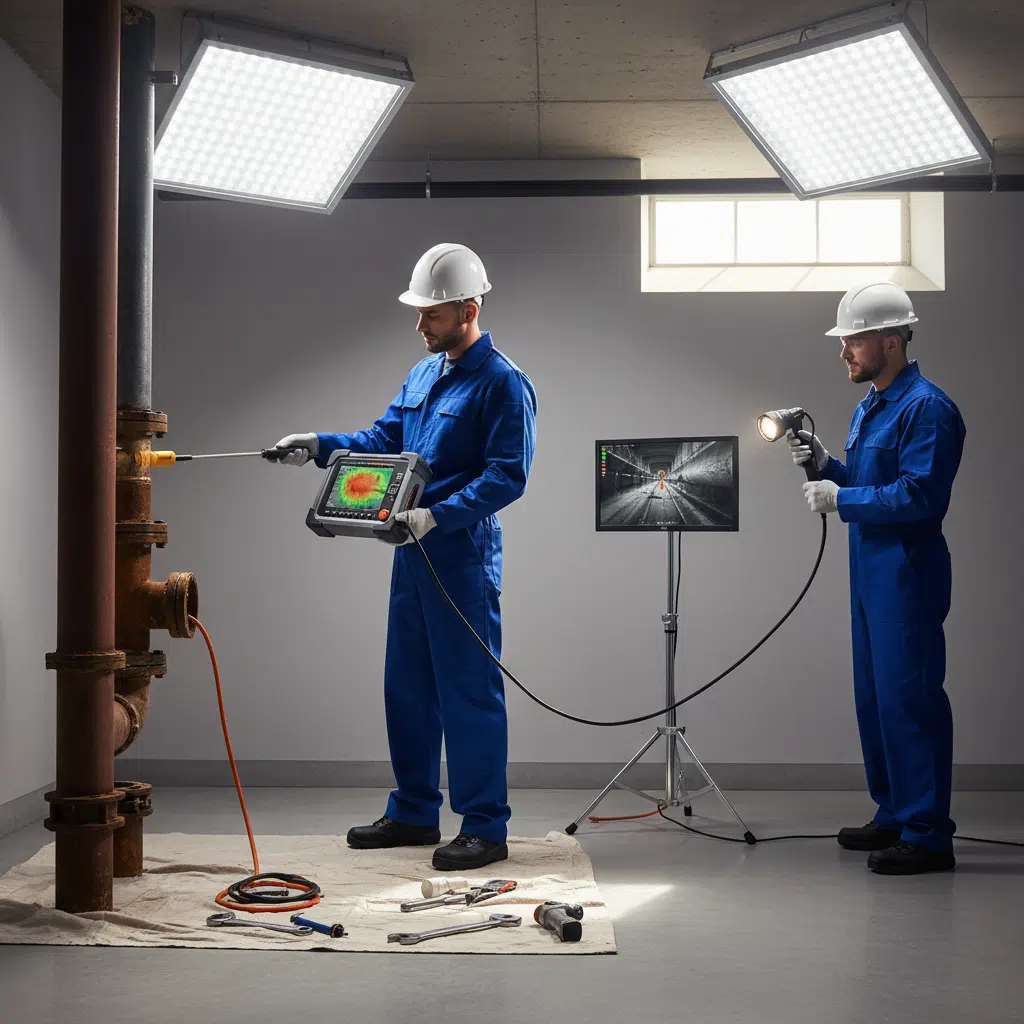
If your home was built between 1945 and 1972 in Southwest Florida, there is a good chance the original sewer lateral is Orangeburg. A sewer camera inspection can confirm the pipe material quickly. Orangeburg appears dark, rough, and fibrous on camera, unlike the smooth gray surface of PVC or the rigid segments of clay pipe.
Can Orangeburg pipes be lined instead of replaced?
In most cases, no. Cured-in-place pipe lining (CIPP) requires the host pipe to maintain its round shape and structural integrity. Since Orangeburg pipes typically deform and collapse, lining is not a viable repair method. Full replacement is the recommended solution.
How long does Orangeburg sewer pipe replacement take?
Traditional excavation replacement usually takes two to three days depending on pipe length and depth. Trenchless pipe bursting can often be completed in a single day. Both methods include backfilling, compaction, and basic yard restoration.
Does Lee County require permits for sewer line replacement?
Yes. Lee County requires a plumbing permit for sewer lateral replacement, and the work must be performed by a licensed plumbing contractor. A final inspection by the county building department is required before the trench is permanently closed. According to the Florida Building Code, all plumbing work must meet current code requirements at the time of replacement.
If you suspect your home has Orangeburg sewer pipes or you are experiencing recurring sewer backups, do not wait for a full collapse. Contact Waterway Plumbing & Drain Cleaning today at (239) 471-5068 for a sewer camera inspection and honest assessment of your sewer line condition. We serve homeowners throughout Fort Myers, Cape Coral, North Fort Myers, and all of Southwest Florida with expert sewer line replacement and plumbing services.