
Laundry drain clog prevention is one of the most overlooked aspects of home plumbing maintenance, yet laundry-related clogs are among the most common service calls plumbers receive in Southwest Florida. Lint, soap residue, fabric softener buildup, and small items that escape the washer drum all accumulate in your laundry drain line over time. Without preventive measures, these materials gradually restrict the drain until water backs up onto your laundry room floor, potentially causing significant water damage to flooring, baseboards, and adjacent rooms.
Waterway Plumbing & Drain Cleaning helps homeowners throughout Fort Myers, Punta Gorda, Cape Coral, and Southwest Florida keep their laundry drains flowing freely. This guide covers the causes of laundry drain clogs, practical prevention tips, and when to call a professional before a slow drain becomes a flood.
What Causes Laundry Drain Clogs
Understanding what clogs laundry drains helps you take targeted preventive action. Unlike kitchen or bathroom drains where the clog sources are obvious, laundry drain buildup comes from multiple sources that each contribute incrementally.
Lint and fabric fibers. Your washing machine’s lint trap catches only a fraction of the lint generated during each wash cycle. The rest, microscopic and visible fibers alike, flows out with the drain water. Over months, this lint accumulates on the interior walls of the drain pipe, particularly at bends, joints, and the P-trap. In Southwest Florida’s hard water conditions, lint fibers bond with mineral deposits to create stubborn buildup that narrows the pipe diameter progressively.
Soap and detergent residue. Liquid and powder detergents do not always dissolve completely, especially in cold water wash cycles. The undissolved residue coats the inside of the drain pipe and acts like glue for lint and other particles. Fabric softener is particularly problematic because it contains waxy compounds designed to coat fabric fibers. Those same compounds coat the inside of your drain pipe.
Small items. Coins, buttons, hair ties, small socks, tissues left in pockets, and other small items that survive the wash cycle can lodge in the drain pipe or P-trap. A single stuck sock in the drain line catches lint and creates a clog far faster than gradual buildup alone.
Drain line configuration. Many Florida homes have laundry rooms in interior locations where the drain line takes a long, winding path to reach the main sewer line. Each bend and horizontal run creates a location where buildup can accumulate. Older homes may have undersized drain lines for the laundry, typically 1-1/2 inches instead of the current code requirement of 2 inches, which clogs more easily. The Florida Building Code specifies minimum drain sizes for washing machine connections to prevent exactly this problem.
Essential Prevention Tips for Laundry Drains
These practical measures significantly reduce the risk of laundry drain clogs and extend the time between professional drain cleanings.
Install a lint trap on the discharge hose. An inline lint trap or lint catcher attaches to the end of your washing machine’s discharge hose before it enters the drain standpipe. These inexpensive devices, available at hardware stores for $5 to $15, catch a substantial amount of lint that would otherwise enter the drain line. Mesh-style traps need to be cleaned or replaced monthly, while stainless steel models can be rinsed and reused indefinitely. This single addition is the most effective preventive measure you can take.
Use the right amount of detergent. More soap does not mean cleaner clothes. Excess detergent does not rinse out completely and leaves residue in both your clothes and your drain pipe. Follow the manufacturer’s recommended amounts, and consider using even less if you have a high-efficiency washer. Liquid detergent generally dissolves more completely than powder in Florida’s cooler well water temperatures. If you use powder detergent, dissolve it in warm water before adding it to the washer.
Reduce fabric softener use. Fabric softener is one of the biggest contributors to drain pipe buildup. Consider switching to dryer sheets, which keep the softening compounds in the dryer rather than the drain, or use wool dryer balls as a chemical-free alternative. White vinegar added to the rinse cycle is a natural fabric softener that does not leave waxy residue in your pipes and actually helps clean them.
Check pockets before every load. Make it a household rule to empty all pockets before clothes go in the washer. Tissues are particularly problematic because they disintegrate into a pulp that sticks to everything in the drain line. Coins and small metal items can damage the washer pump and lodge in the drain pipe. A quick pocket check takes seconds and prevents problems that cost hundreds to fix.
Run a monthly maintenance cycle. Once a month, run an empty hot water cycle with two cups of white vinegar. The hot water melts grease and softener residue in the drain line while the vinegar helps dissolve soap scum and minor mineral deposits. This simple practice helps keep the drain line cleaner between professional services.
Warning Signs Your Laundry Drain Is Developing a Clog
Catching a developing clog early prevents water damage and emergency service calls. Watch for these signs that your laundry drain is starting to restrict.
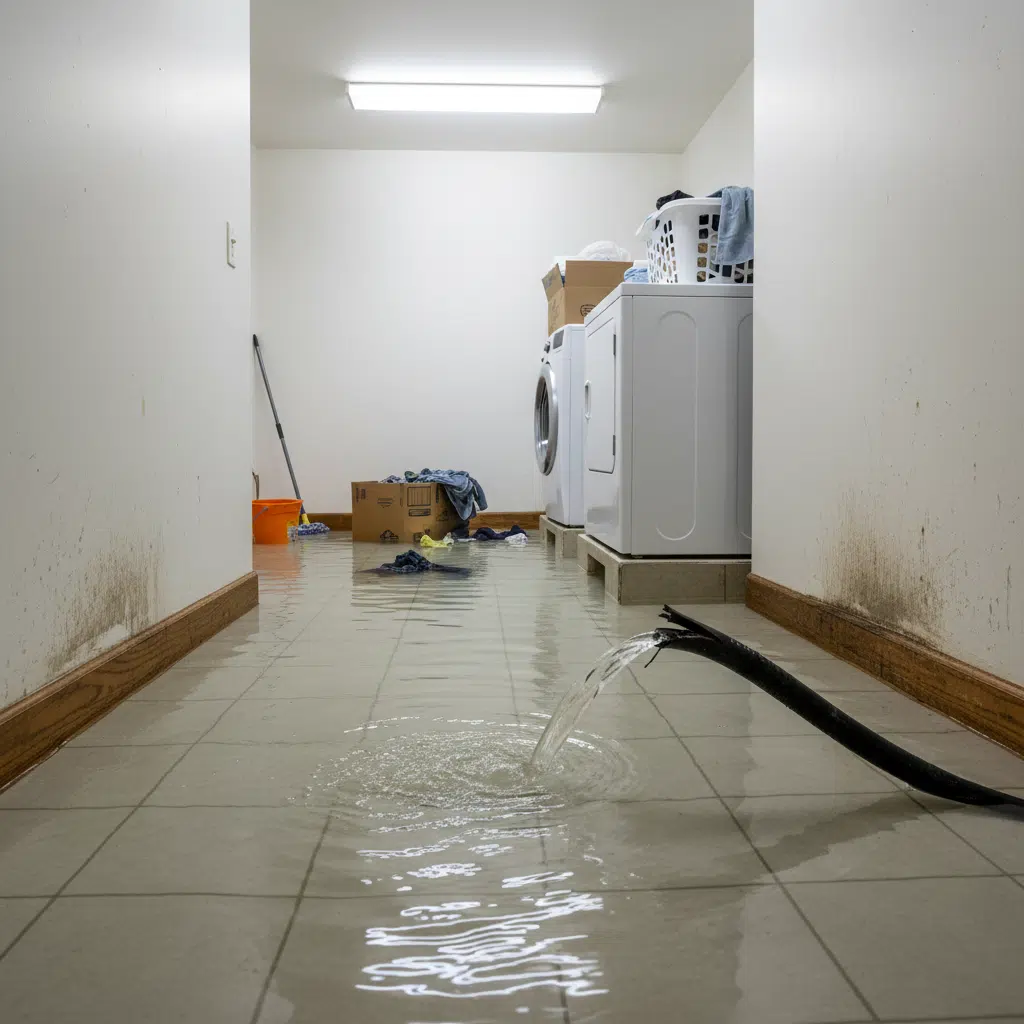
Water draining slowly from the standpipe. If you notice water rising in the standpipe (the vertical pipe your washer discharges into) during the drain cycle, the drain line is partially restricted. Early on, the water rises and slowly drains back down. As the clog worsens, the water overflows the standpipe onto the floor.
Gurgling sounds. A gurgling noise from the laundry drain or nearby floor drain during the washer’s drain cycle indicates that air is being displaced by water struggling to pass through a restriction. This is often the first noticeable symptom before visible slow draining begins.
Musty odors. Organic material trapped in a partially clogged drain line decomposes and produces a musty or sour smell. If your laundry room develops an unpleasant odor that is not from dirty clothes, the drain line likely has buildup that is harboring bacteria and mold.
Water backing up into other fixtures. If water from the washing machine backs up into a nearby floor drain, shower, or bathtub, the clog is in the shared drain line downstream from the laundry connection. This is a more serious situation that requires prompt professional attention because a main line blockage can cause sewage backup throughout the home.
Do not wait for a complete backup to address these warning signs. A professional drain cleaning when you first notice slow draining costs far less than emergency service plus water damage restoration after a laundry room flood.
Professional Laundry Drain Maintenance
Even with excellent preventive habits, professional drain cleaning should be part of your home maintenance schedule. For homes with standard usage, professional laundry drain cleaning every two years keeps the line clear. Homes with heavy laundry use, such as families with young children, homes with pets, or households where someone works in a trade that generates heavily soiled clothing, benefit from annual professional service.
Professional laundry drain cleaning typically involves a power auger (drain snake) to break through and remove accumulated buildup, followed by a camera inspection if the plumber suspects pipe damage or a configuration issue. For severely clogged laundry lines, hydro jetting provides the most thorough cleaning by scouring the full interior of the pipe back to near-original condition.
During a professional service call, ask your plumber to inspect the drain standpipe height and diameter. The standpipe should be 18 to 42 inches tall and at least 2 inches in diameter per current Florida code. If your standpipe is too short, too tall, or too narrow, your washer’s pump may not drain effectively, contributing to overflow and premature drain problems.
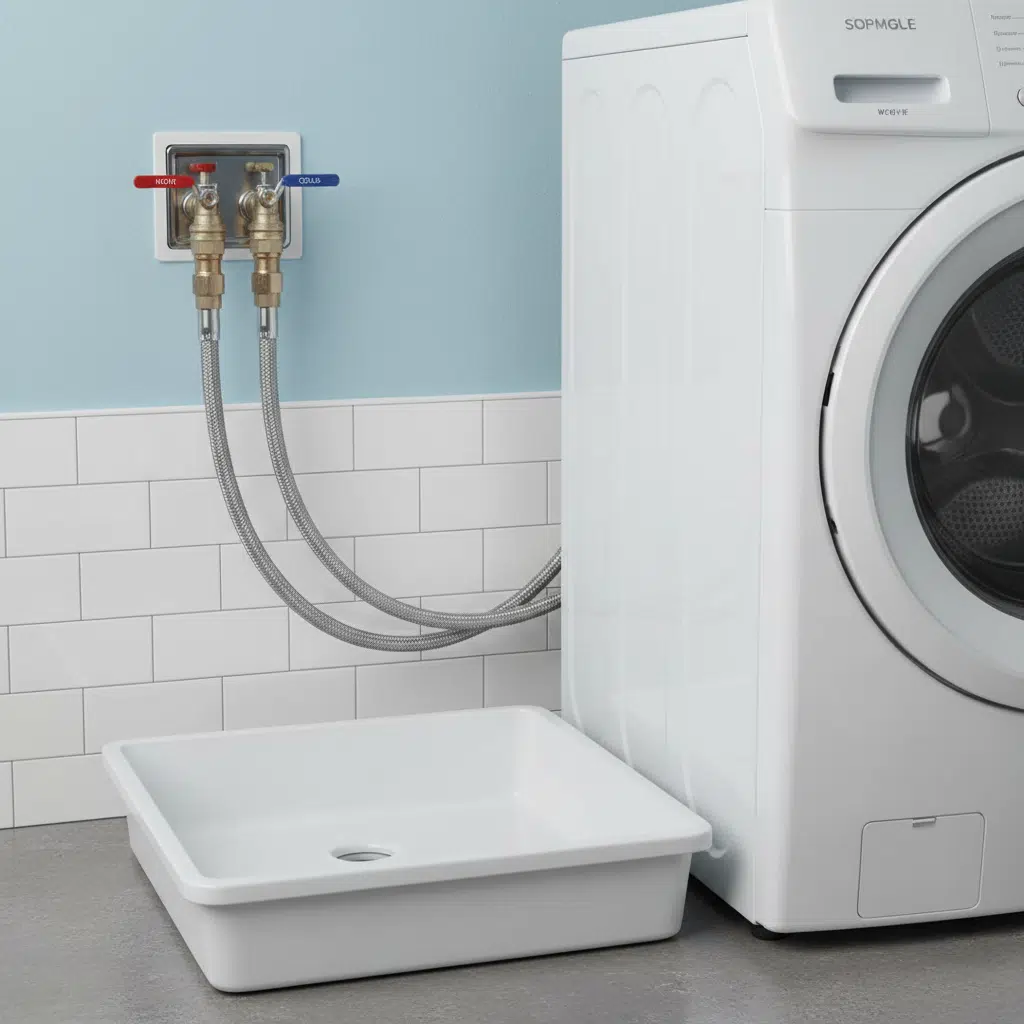
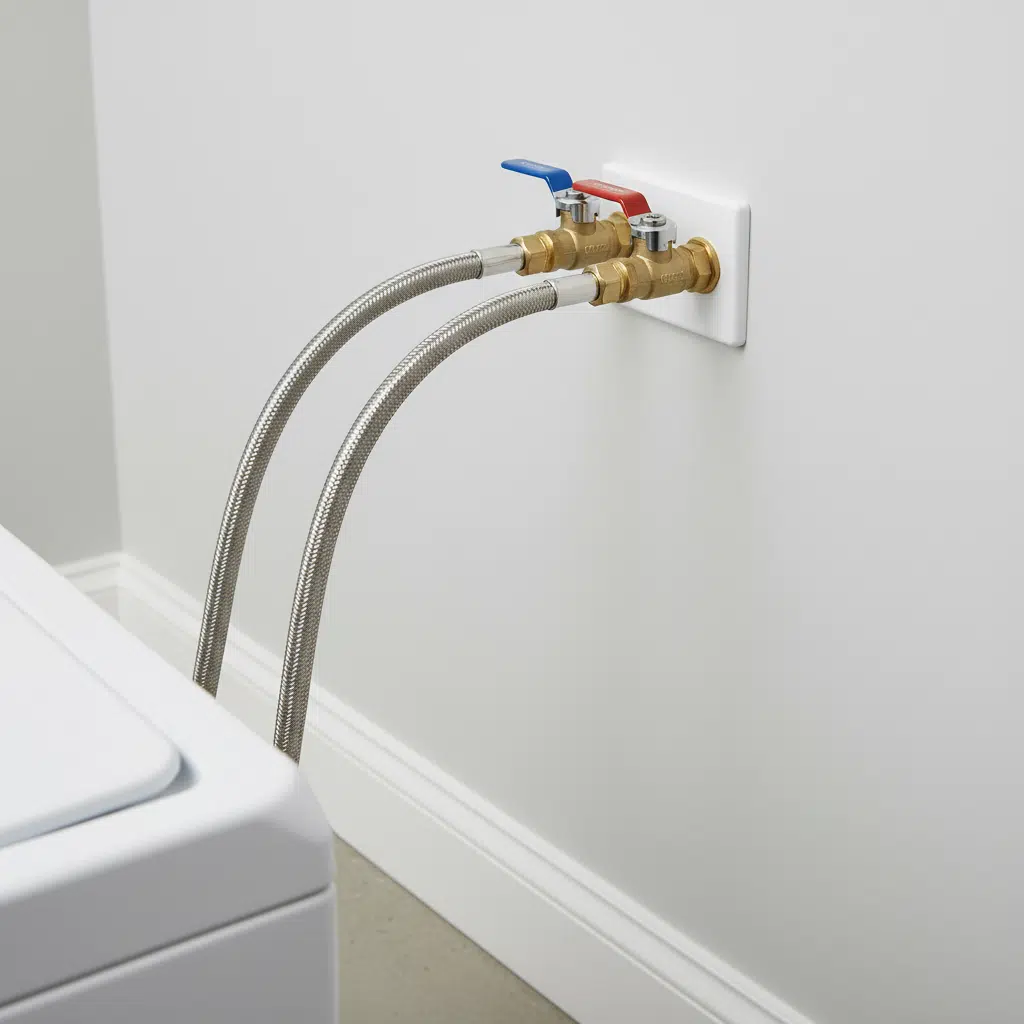
Your supply hoses deserve attention too. Rubber supply hoses deteriorate from the inside out and are the number one cause of catastrophic laundry room flooding in Florida homes. Replace rubber hoses with braided stainless steel hoses, which last significantly longer and resist bursting. Turn off the supply valves when the washer is not in use if you have standard gate valves, or install quarter-turn ball valves for easier on/off control.
For homeowners dealing with laundry drain clog prevention, getting clear guidance before a small issue turns into a larger repair can save time, money, and property damage.
Frequently Asked Questions About Laundry Drain Clog Prevention
Can I use chemical drain cleaner in my laundry drain?
Chemical drain cleaners are not recommended for laundry drains. The combination of chemicals, lint, and soap residue can create a thick, hardened mass that makes the clog worse rather than better. Chemical cleaners also damage PVC pipe joints over time and can corrode older metal drain lines. For a slow laundry drain, try the hot water and vinegar flush first. If that does not improve the situation, call a professional for mechanical cleaning.
How do I know if my washer or my drain is causing the backup?
Run a simple test: fill the washer with water using a normal cycle, then set it to drain while watching the standpipe. If water rises slowly in the standpipe and eventually overflows, the drain is restricted. If the washer pumps water out forcefully and the standpipe handles the flow, the drain is fine and any previous backup was likely caused by an unusually large volume or a temporary restriction. Also check that the discharge hose is not kinked or pushed too far down into the standpipe, which can create a siphon effect.
Should I leave my laundry room door open while the washer runs?
Yes, and for a practical reason. If the drain overflows while the washer is running and the door is closed, the water can accumulate significantly before anyone notices. With the door open, you are more likely to hear unusual sounds or see water escaping before major damage occurs. If your laundry room is in a closed area, consider installing a water leak detector near the washer and drain for early warning.
How often should I replace my washing machine hoses?
Replace rubber supply hoses every three to five years, even if they look fine from the outside. Rubber deteriorates internally long before external cracks appear, and a burst supply hose releases water at full municipal pressure continuously until someone turns off the valve. Braided stainless steel hoses last eight to ten years and are far more resistant to bursting. Inspect all hoses annually for bulges, cracks, or corrosion at the connection fittings.
Protect your home from laundry drain problems with preventive maintenance from Waterway Plumbing & Drain Cleaning. We provide professional drain cleaning, laundry connection upgrades, and supply hose replacement throughout Fort Myers, Punta Gorda, Cape Coral, and all of Southwest Florida. Call (239) 471-5068 to schedule your laundry plumbing inspection.