
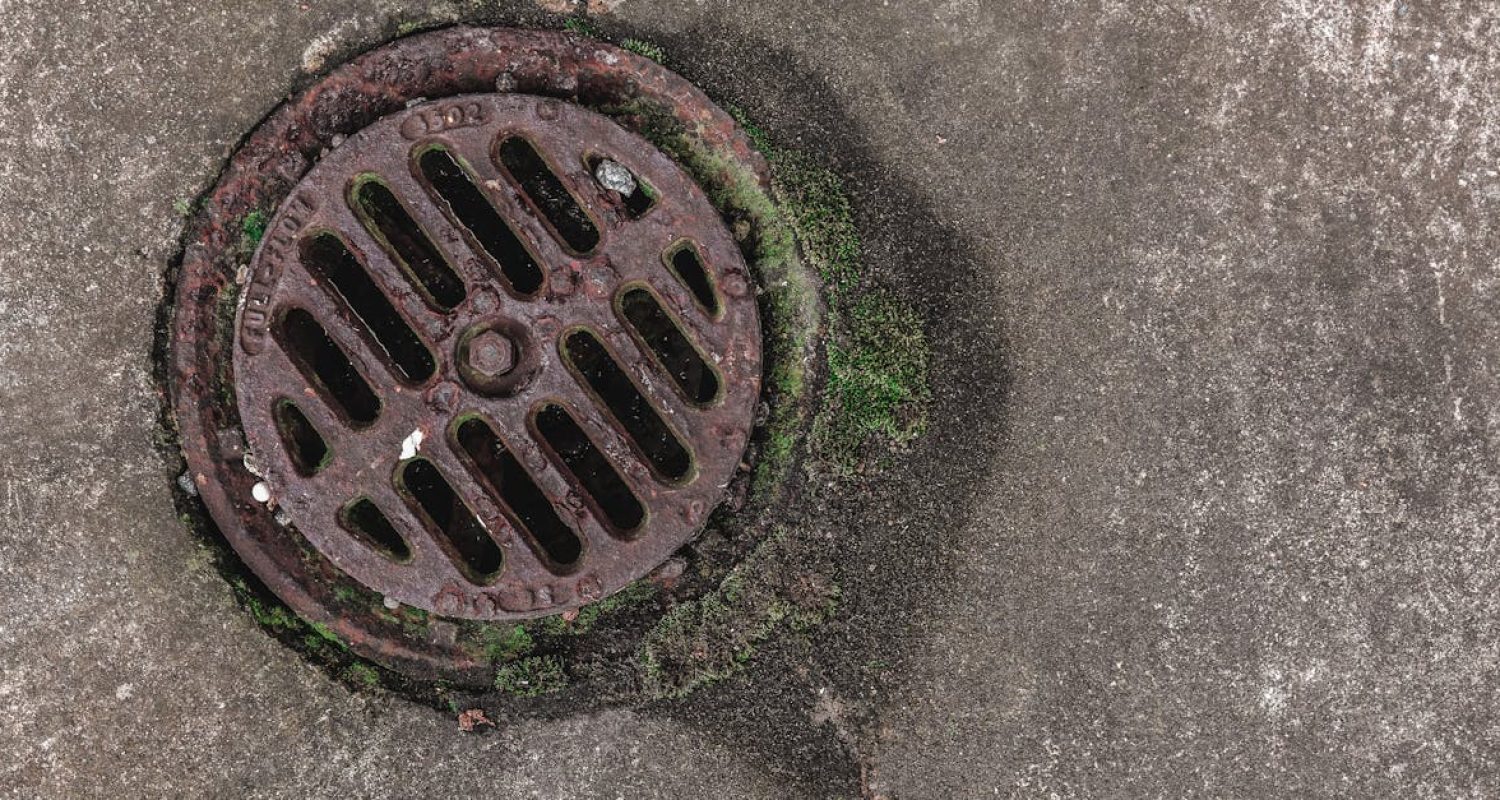
If you’ve noticed a sewer smell after heavy rain in Punta Gorda, you’re not imagining things — and you’re far from alone. Southwest Florida’s intense summer storm systems dump several inches of rain in a matter of hours, and that sudden surge of water interacts with your home’s drain and sewer system in ways that catch a lot of homeowners off guard. The odor is typically hydrogen sulfide, the same gas responsible for the classic “rotten egg” smell, and it can enter living spaces through multiple pathways at once. This article walks you through the five most common reasons storms trigger sewer odors in Punta Gorda homes, what each one looks like, and exactly how to address it — including when to call a licensed Florida plumber.
Why Heavy Rain Specifically Triggers Sewer Odors
Most people assume plumbing smells are caused by a single clog somewhere downstream, but the rain connection is more nuanced. When Charlotte County gets a fast, heavy storm — the kind that drops 3 to 5 inches in under two hours — several things happen simultaneously in and around your home’s drain system.
First, the municipal sewer main beneath the street can temporarily become pressurized as storm infiltration and inflow (called I&I) pushes groundwater and runoff into the system through cracked lateral lines and deteriorated main joints. That pressure spike forces sewer gases backward, up through your drain lines, and into your living space. Second, the same floodwater that surrounds your foundation saturates the soil around buried sewer pipes, which accelerates hydrogen sulfide production in any debris already sitting in low spots of the line.
Third — and this is one most homeowners in Punta Gorda miss entirely — your roof vent pipes can become temporarily blocked or partially flooded during a downpour. When a vent can’t equalize pressure, your drain system acts like a straw being pinched at the top: water movement through the pipes pulls air from the next available opening, which is often a floor drain, a rarely used bathroom, or a washing machine standpipe. That air comes straight from the sewer side of your plumbing. Understanding that rain events are a multi-variable trigger is the first step toward diagnosing which specific problem you’re dealing with.

Dried-Out P-Traps: The Most Common Culprit in SWFL Homes
A P-trap is the curved section of pipe beneath every sink, tub, shower, and floor drain in your home. That curve holds a small reservoir of water — typically 2 to 4 inches — that acts as a physical seal between your living space and the sewer gas on the other side of the pipe. When that water evaporates, the seal disappears, and hydrogen sulfide flows freely into the room.
In Southwest Florida, P-traps dry out faster than in cooler climates because of the heat. A guest bathroom sink used only occasionally, a laundry room floor drain, or a shower in a vacation property can lose its water seal in as little as three to four weeks during the summer months. Here’s where rain enters the picture: the pressure fluctuations described above — from surging sewer mains and compromised roof vents — actively pull water out of marginal P-traps. A trap that was holding on by half an inch of water before the storm may be completely empty by the time the rain stops.
The fix is straightforward: pour a quart of water down every floor drain and rarely used fixture in your home right after a heavy storm. For drains that dry out repeatedly, a licensed plumber can install a trap primer — a small device that automatically meters water into the trap whenever it detects low water level. In properties with seasonal occupancy (common in Charlotte County’s large snowbird population), a trap primer is often the most practical long-term solution. Gel-based trap sealants are also available, though they wear out and need periodic replacement.
Roof Vent Pipe Problems and Negative Pressure Events
Every properly plumbed home has a drain-waste-vent (DWV) system where the drain lines connect to vertical pipes that exit through the roof. These vent stacks do two things: they allow sewer gases to escape safely above the roofline, and they admit replacement air so drains empty at the correct rate without siphoning water from P-traps.
How Rain Affects Roof Vents
During a driving rainstorm, a vent stack pointed straight up can temporarily fill with water, especially if roof drainage is backing up around the pipe penetration. Even an inch or two of standing water in a 3-inch vent pipe creates enough restriction to disrupt the pressure balance in your drain system. Add wind-driven rain and you can momentarily get a partial vacuum in the drain line, which pulls sewer gas through any weak point — usually the nearest shallow P-trap.
Bird Nests, Debris, and Wasp Nests
Florida’s warm climate means roof vents are year-round targets for birds and paper wasps building nests inside or directly over the pipe opening. A partial obstruction doesn’t prevent the vent from working entirely — it just reduces airflow enough that a high-volume rain event overwhelms the system. A video inspection of the vent from the rooftop, or a plumber’s snake run down from the roof, can quickly confirm whether debris is contributing to the problem. Installing a mesh vent cap rated for Florida wind loads (per the Florida Building Code) keeps pests out without restricting airflow.
Air Admittance Valves as a Backup
In some cases — particularly under-sink installations added during a kitchen remodel — an air admittance valve (AAV) was used instead of a traditional vent. AAVs are mechanical devices that open to admit air and close to block gas. Like any mechanical component in the corrosive salt-air environment within five miles of Charlotte Harbor, AAVs eventually fail. A failed AAV stuck in the closed position will cause the same negative-pressure symptoms as a blocked vent pipe. Replacement is a straightforward repair for a Florida-licensed plumber.

Cracked or Deteriorated Sewer Lateral Lines Under the Slab
Punta Gorda, like most of Southwest Florida, is built almost entirely on slab-on-grade foundations. Your sewer lateral — the 4-inch drain line that carries wastewater from the home to the municipal sewer main — runs beneath that concrete slab and through the sandy, sometimes corrosive soil under your yard before connecting at the street. This buried pipe is out of sight and, for most homeowners, completely out of mind until something goes wrong.
Heavy rain events are a stress test for buried sewer laterals. Saturated soil shifts slightly, and if a pipe joint has already begun to separate or a section of CPVC or older orangeburg pipe (common in pre-1980s construction) has degraded, the movement opens small gaps. These gaps let groundwater into the line — contributing to the infiltration problem that pressurizes the main — and they let sewer gases escape into the soil column, where they can migrate along the sandy substrate and re-enter the home through slab penetrations, expansion joints, or gaps around plumbing stub-outs.
The only reliable way to diagnose a cracked lateral is a video sewer camera inspection. A licensed plumber inserts a waterproof camera into your cleanout and drives it through the line, recording everything in real time. Hairline cracks, root intrusion (surprisingly common even in Punta Gorda’s newer neighborhoods where large ficus and oak root systems extend aggressively), offset joints, and low spots where debris accumulates all show up clearly on the monitor. If damage is confirmed, repair options include traditional open-cut replacement or, where access allows, epoxy CIPP lining (cured-in-place pipe) — a trenchless method that installs a new pipe inside the existing one without excavating your yard or driveway.
For homeowners who want a local Punta Gorda plumber familiar with the specific soil conditions and pipe ages in their neighborhood, working with someone who routinely pulls Lee and Charlotte County permits makes a meaningful difference in getting the scope of work right the first time.
Wax Ring Failures and Sewer Gas at the Toilet Base
The connection between your toilet and the floor flange beneath it is sealed with a wax ring — a deceptively simple component that does critical work. If you notice that your post-storm sewer smell is concentrated near a specific bathroom, particularly at floor level, a failing wax ring is a strong suspect. The ring itself doesn’t degrade from rain, but here’s the connection: the same pressure fluctuations that pull water from P-traps and stress vent pipes also put momentary backpressure on the toilet’s connection point. A wax ring that is already partially displaced — often due to a toilet that rocks slightly when you sit on it, or one installed on a slightly uneven floor — can allow gas to escape around the base of the toilet.
Visible signs of a failing wax ring include a slight rocking motion when you sit on the toilet, water stains around the base, soft subflooring around the flange, or a sewer odor that persists even after you’ve addressed P-traps and checked the vents. Replacing a wax ring is a straightforward repair — the toilet is removed, the old ring is scraped clean, a new ring (or a thicker wax-free gasket designed for higher flanges) is installed, and the toilet is reset and rebolted. The entire job typically takes a Florida-licensed plumber about an hour. It is, however, a job worth doing correctly: an improperly seated toilet can leak sewage water beneath the slab over months without any visible indication at the surface, causing structural damage to the floor system.
If you’re dealing with recurring odors after storms and want a professional to trace the exact source, an emergency plumber serving Fort Myers and surrounding areas can respond quickly when the smell is severe or you suspect a more serious line failure.
Frequently Asked Questions
Is sewer gas after heavy rain dangerous to my health?
Hydrogen sulfide, the primary component of sewer gas, is detectable by smell at concentrations as low as 0.5 parts per billion. At low concentrations it’s primarily a nuisance, but prolonged exposure to elevated levels can cause headaches, nausea, and respiratory irritation. If the smell is strong and persistent, ventilate the space immediately, avoid open flames near floor drains, and contact a licensed plumber the same day. The CDC provides guidance on hydrogen sulfide exposure limits for reference.
How quickly do P-traps dry out in a Florida home?
In Southwest Florida’s heat, a rarely used floor drain or guest bathroom fixture can lose its water seal in as little as three to four weeks during summer. If your home is a seasonal property left vacant from spring through fall, virtually every low-use drain will have an empty P-trap by the time you return. Running every fixture for 30 seconds when you return — and again after any major storm — is a simple preventive step.
Can tree roots cause sewer smell after rain in a relatively new Punta Gorda home?
Yes. Even homes built within the last 10 to 15 years can have root intrusion if large trees were retained during construction. Ficus, oak, and palm species common in Charlotte County produce aggressive root systems that find hairline cracks in PVC lateral lines within just a few years. Rain-saturated soil accelerates root growth toward pipe joints. A video sewer camera inspection will confirm root intrusion quickly, and hydro jetting can clear the roots before a lining or repair is performed.
When should I call a plumber instead of trying DIY fixes first?
Pour water into all floor drains and rarely used fixtures first — that costs nothing and fixes a dry P-trap immediately. If the odor persists after 24 hours, or if it’s concentrated near one toilet or one area of the house, call a licensed plumber for a camera inspection. Any sewage odor accompanied by slow drains, gurgling sounds at multiple fixtures, or water backing up into tubs after flushing a toilet indicates a more serious blockage or line failure that needs professional attention right away.
Waterway Plumbing is a licensed and insured plumbing company serving Punta Gorda, Fort Myers, Cape Coral, and the surrounding Southwest Florida area. If storm-related sewer odors are affecting your home, don’t wait for the smell to get worse — the underlying cause rarely resolves on its own. Call us at (239) 471-5068 to schedule a camera inspection or service call, or visit our Punta Gorda plumbing service page to learn more about how we can help you find and fix the source of the problem fast.


