Few plumbing annoyances are as persistent as a toilet that takes forever to fill after flushing. Instead of the normal 60 to 90 seconds, you are waiting five, ten, or even fifteen minutes before the tank is ready for the next flush. A slow filling toilet tank is more than an inconvenience — it wastes water, signals underlying plumbing issues, and can leave you without a functioning toilet at the worst possible time.
If you are dealing with slow filling toilet tank causes in your Fort Myers, Cape Coral, or Punta Gorda home, this guide covers every common reason your toilet fills slowly and what you can do to fix it — from simple DIY adjustments to repairs that require a licensed plumber.
How Your Toilet Fill System Works
Understanding the basic mechanics of your toilet’s fill system makes it much easier to diagnose why it is filling slowly. When you flush, the flapper valve at the bottom of the tank lifts, releasing water into the bowl. As the tank empties, the float (either a ball float on an arm or a cylinder float on the fill valve shaft) drops, which opens the fill valve. Water flows through the fill valve into the tank and simultaneously through a small refill tube into the overflow pipe, which replenishes the water in the bowl.
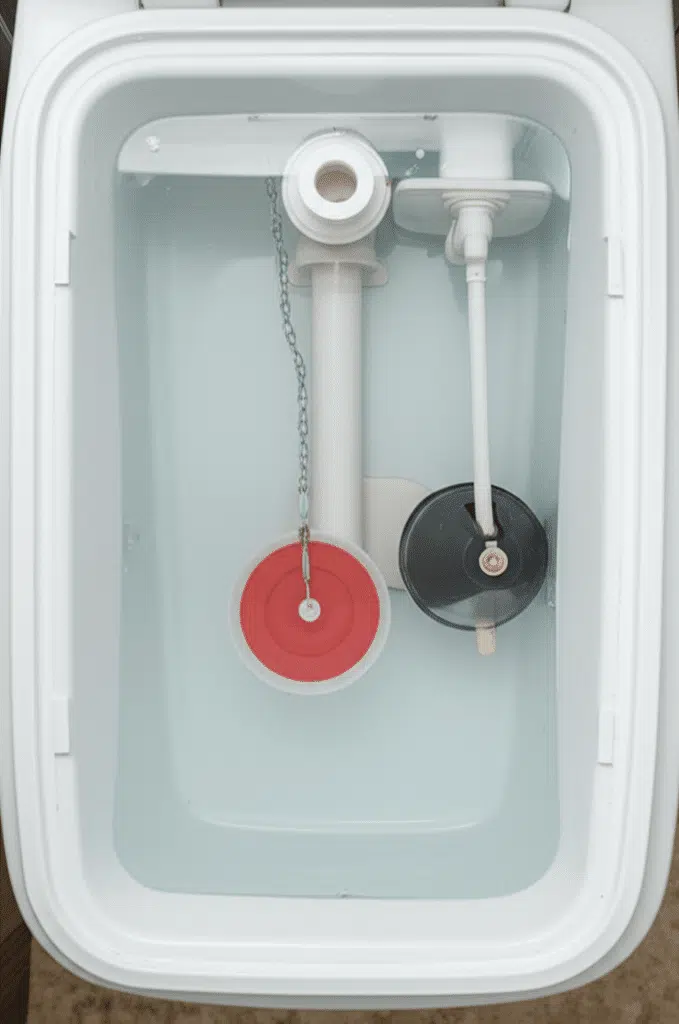
As the water level rises, the float rises with it. When the float reaches the preset level, it closes the fill valve and the water stops. The entire cycle should take 60 to 120 seconds in a properly functioning toilet. If it takes significantly longer, one or more components in this system are restricting water flow or preventing the valve from opening fully.
Partially Closed Supply Valve
The most common — and most overlooked — cause of a slow filling toilet is a partially closed water supply valve. This is the small valve located on the wall or floor behind the toilet, connected to the tank by a flexible supply line. If this valve is not fully open, it restricts the flow of water into the fill valve, and the tank fills slowly.
Supply valves get partially closed accidentally during cleaning, moved by pets or children, or turned during nearby plumbing work and never fully reopened. In older Florida homes, the valve handle may also be corroded or stiff, making it feel fully open when it is actually turned only partway.
To check, turn the supply valve fully counterclockwise (for standard valves) or pull the handle parallel to the pipe (for quarter-turn ball valves). If the fill speed improves immediately, the valve was the culprit. If the valve is corroded, stuck, or leaking from the packing nut, a plumber can replace it — a quick, inexpensive repair.
Clogged or Failing Fill Valve
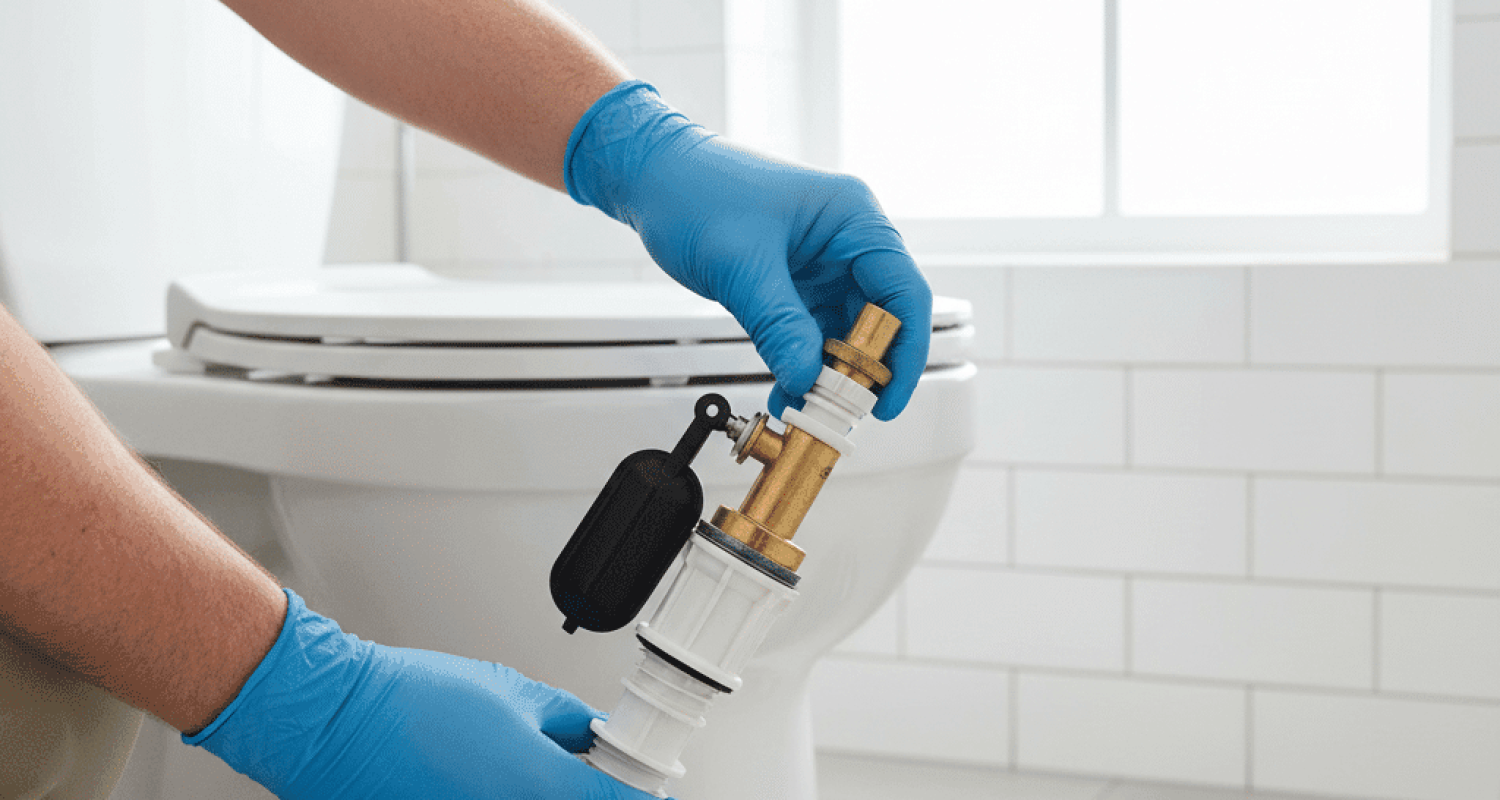
The fill valve is the vertical assembly inside the tank that controls water flow. Over time, sediment, mineral deposits, and debris from Florida’s hard water accumulate inside the fill valve, restricting the flow path and slowing the fill rate. Southwest Florida water is particularly hard — with calcium carbonate levels often exceeding 180 parts per million in Lee County — which accelerates mineral buildup inside fill valves and other plumbing components.
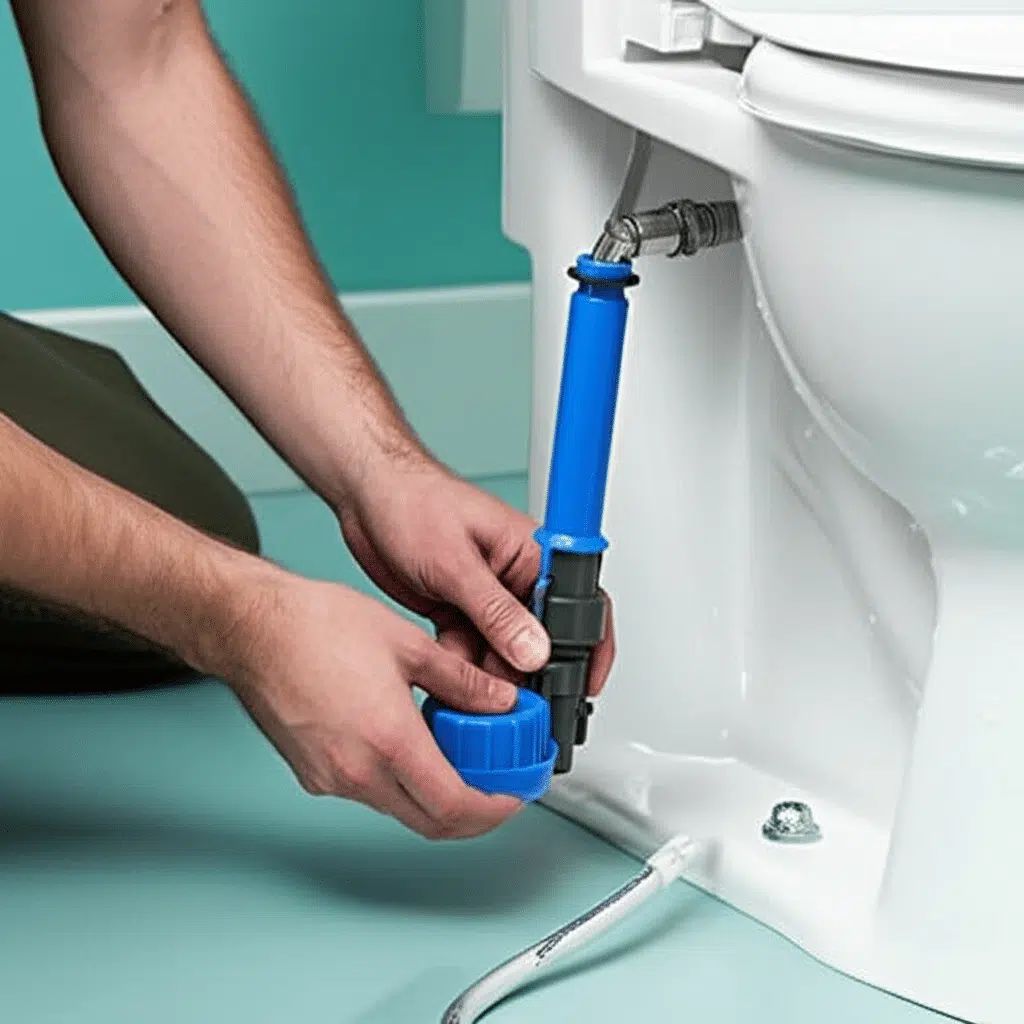
To clean a clogged fill valve, turn off the supply valve and flush the toilet to empty the tank. Remove the fill valve cap (on most modern Fluidmaster-style valves, the cap lifts off or unscrews) and inspect the seal and screen for mineral deposits. Rinse the components under running water, use a small brush to remove scale, and reassemble. Turn the supply back on and check the fill speed.
If cleaning does not restore normal flow, the fill valve may need replacement. Fill valves are not designed to last forever — typical lifespan is 5 to 7 years in hard water areas like Fort Myers. Replacement fill valves cost $8 to $20 at any hardware store and can be installed by a handy homeowner in about 30 minutes. If you are not comfortable working inside the tank, a Fort Myers plumber can handle this quick repair.
Waterlogged Float or Misadjusted Float Level
If your toilet uses a ball float on a metal or plastic arm, the float ball itself can develop cracks or pinholes over time. Water seeps inside the ball, making it heavier and causing it to sit lower in the water. A waterlogged float does not rise fully as the tank fills, which means the fill valve never opens completely — resulting in a restricted flow rate and slow fill.
Inspect the float ball by unscrewing it from the arm and shaking it. If you hear water sloshing inside, the float is waterlogged and needs replacement. This is one of the cheapest toilet repairs — a new float ball costs under five dollars.
On newer toilets with cylinder-style floats that ride up and down on the fill valve shaft, the float height may simply be adjusted too low. When set too low, the float partially restricts the fill valve before the tank is full. Adjust the float height by turning the adjustment screw or sliding the float clip higher on the shaft. According to most manufacturer specifications and EPA WaterSense guidelines, the water level should be about one inch below the top of the overflow tube.
Sediment Buildup in the Supply Line
The flexible supply line connecting the wall valve to the toilet tank has a small inlet screen or washer at the connection point. This screen catches sediment and debris from the water supply before it enters the fill valve. Over time — especially in areas with older municipal pipes or homes with galvanized steel supply plumbing — this screen clogs with sediment, rust particles, and mineral scale.
To clean the supply line screen, turn off the supply valve, disconnect the supply line from the bottom of the tank, and inspect the inlet. Remove any visible sediment or scale from the screen and the supply line connection. If the supply line itself is old, kinked, or restricted, replacing it with a new braided stainless steel supply line is a good preventive measure — these lines cost under $10 and last much longer than the older plastic or vinyl lines.
If sediment buildup is a recurring problem throughout your home’s plumbing — not just at the toilet — a whole-house sediment filter installed at the main water entry point can protect all fixtures and appliances from debris. This is especially worthwhile in older Fort Myers and Punta Gorda neighborhoods where the municipal infrastructure contains aging iron pipes that shed rust particles into the water.
Low Municipal Water Pressure
Sometimes the slow fill has nothing to do with the toilet itself. If your home’s incoming water pressure is below the normal range of 40 to 60 PSI, all fixtures will be affected, including toilet fill times. Low municipal pressure can result from high demand periods (early morning and evening in residential areas), distance from the water treatment plant or pumping station, elevation changes, or problems with the municipal supply infrastructure.
You can check your home’s water pressure with an inexpensive pressure gauge that threads onto any hose bibb. If the reading is consistently below 40 PSI, contact your water utility to determine whether the low pressure is a known issue in your area. If the utility confirms adequate pressure at the meter, the pressure drop may be occurring inside your home due to corroded galvanized pipes, a failing pressure regulator, or partially closed valves.
For homeowners dealing with slow filling toilet tank causes, getting clear guidance before a small issue turns into a larger repair can save time, money, and property damage.
Frequently Asked Questions About Slow Filling Toilet Tank Causes
How long should a toilet tank take to fill after flushing?
A properly functioning toilet with adequate water pressure should fill the tank completely in 60 to 120 seconds. If your toilet consistently takes more than two minutes to fill, one of the issues described in this guide is likely restricting water flow.
Can a slow filling toilet waste water?
Yes. A slow fill is often accompanied by a fill valve that does not seal completely, causing a slow, continuous trickle into the tank. This constant running can waste 200 gallons or more per day. Even without a leak, a slow-filling toilet forces you to wait between flushes, leading some homeowners to flush before the tank is full — which uses extra flushes and wastes water.
Should I replace the fill valve or the entire toilet?
If the toilet itself is in good condition (no cracks, chips, or wobbling), replacing just the fill valve is the most cost-effective fix. A new fill valve costs $8 to $20 and takes about 30 minutes to install. If the toilet is more than 15 to 20 years old, uses more than 1.6 gallons per flush, or has multiple failing components, replacing the entire toilet with a modern water-efficient model may be the better investment.
Does hard water cause slow filling toilets?
Yes. Southwest Florida’s hard water accelerates mineral buildup inside fill valves, supply lines, and inlet screens. This buildup gradually restricts water flow and is one of the most common causes of slow filling toilets in the Fort Myers and Cape Coral area. Regular cleaning of the fill valve components every 6 to 12 months can prevent hard water from slowing your toilet fill time.
If your toilet is filling slowly and the simple fixes above do not resolve the issue, the problem may be deeper in your plumbing system. Contact Waterway Plumbing & Drain Cleaning at (239) 471-5068 for professional diagnosis and repair. We serve Fort Myers, Punta Gorda, Cape Coral, and all of Southwest Florida with fast, reliable toilet and plumbing repair services.