When water heats up inside your water heater, it expands. That expansion has to go somewhere, and without the right equipment, it creates excess pressure that can damage your plumbing system, your water heater, and your fixtures over time. Understanding the water heater expansion tank purpose helps you protect your home’s plumbing and extend the life of your water heater. Homeowners in Cape Coral, Fort Myers, and across Southwest Florida often overlook this small but critical component until problems arise.
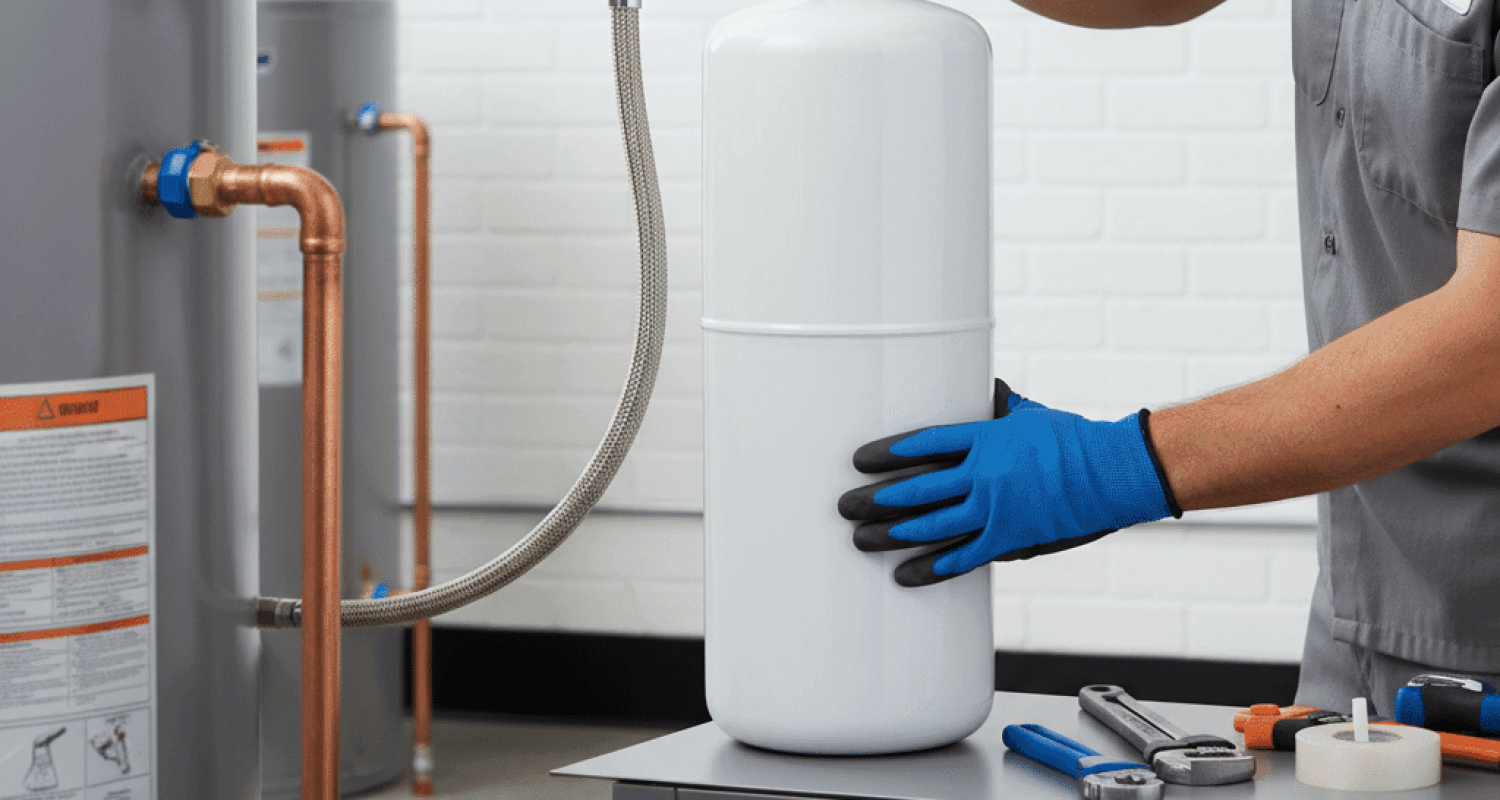
An expansion tank is a small tank, usually about the size of a propane cylinder, that connects to your water heater’s cold water supply line. It contains a rubber bladder with pressurized air on one side. When heated water expands, the excess volume pushes into the expansion tank rather than building pressure throughout your plumbing system. This simple mechanism prevents a cascade of problems that can be expensive to repair.
How Thermal Expansion Damages Your Plumbing
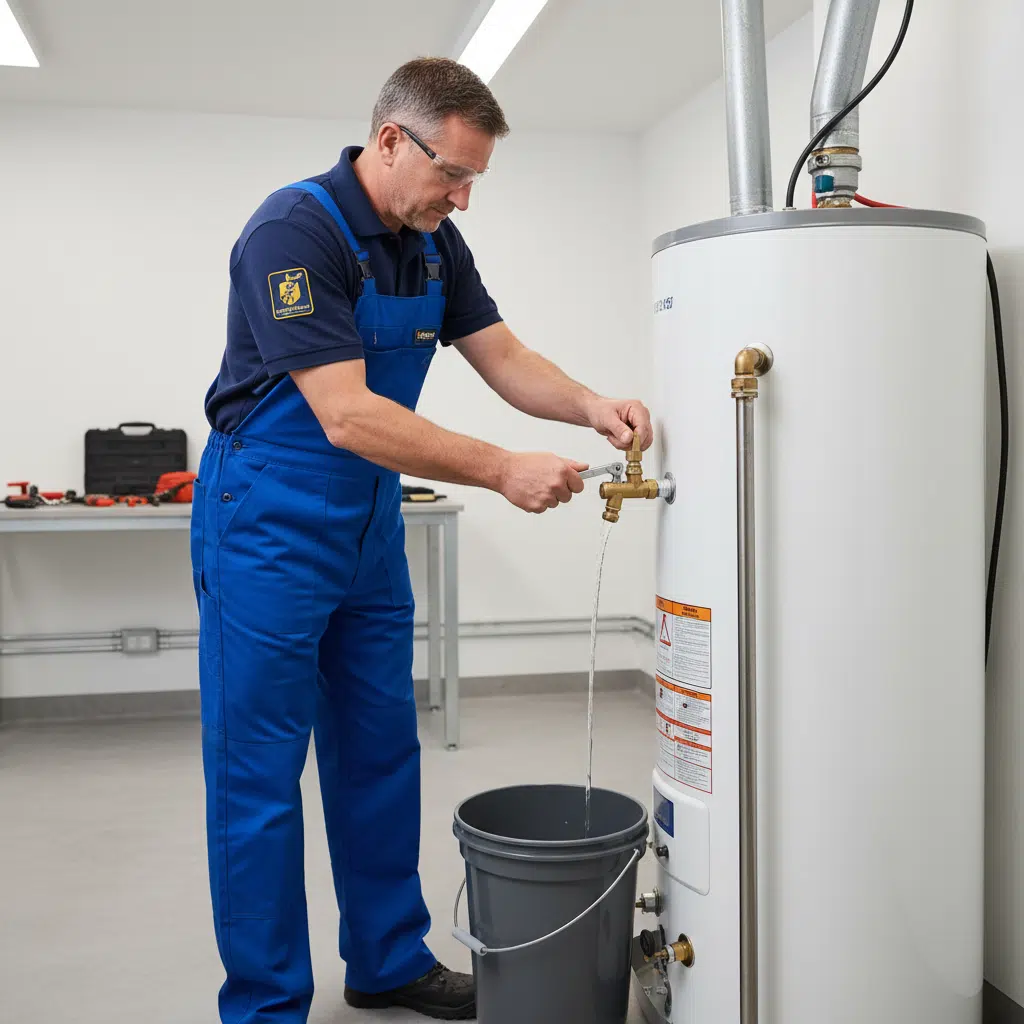
Water is essentially incompressible. When you heat 40 gallons of cold water from 50 degrees to 120 degrees Fahrenheit, it expands by roughly half a gallon. In an open plumbing system where water can flow back into the municipal supply, this expansion is not an issue. The extra volume simply pushes back through the water meter into the city main.
However, most modern homes have a closed plumbing system. Backflow prevention devices, pressure-reducing valves, and check valves installed by the water utility or at your home’s main shutoff prevent water from flowing back into the supply. This means the expanded water has nowhere to go. Pressure inside your system can spike from a normal 60 PSI to over 150 PSI during a heating cycle.
That excess pressure stresses every connection, valve, and fitting in your home. Over time, it causes dripping faucets, running toilets, premature failure of washing machine hoses, and leaks at pipe joints. Most critically, it puts enormous strain on your water heater tank itself, potentially shortening its lifespan by several years. According to the U.S. Department of Energy, maintaining proper pressure is essential for water heater efficiency and longevity.
Signs You Need an Expansion Tank

Several warning signs indicate that thermal expansion is creating problems in your home. The most obvious is a temperature and pressure relief valve (T&P valve) that drips or discharges water periodically. This valve is a safety device designed to open when pressure exceeds safe levels, typically 150 PSI or when temperature exceeds 210 degrees. If your T&P valve is releasing water, your system is regularly hitting dangerous pressure levels.
Other signs include faucets that drip only after the water heater has been running, toilet fill valves that open briefly without anyone flushing, and banging or knocking sounds in your pipes (water hammer) when fixtures shut off. If you notice your water pressure seems unusually high at certain times of day, particularly in the morning after the water heater has completed a full heating cycle overnight, thermal expansion is the likely cause.
You should also check whether your home has a closed plumbing system. Look for a pressure-reducing valve (PRV) on your main water line, usually near where the line enters your home. If you have a PRV or a backflow preventer, you almost certainly need an expansion tank. Many residential plumbing systems in Southwest Florida were installed with these devices to comply with local building codes.
How Expansion Tanks Work and Where They Install
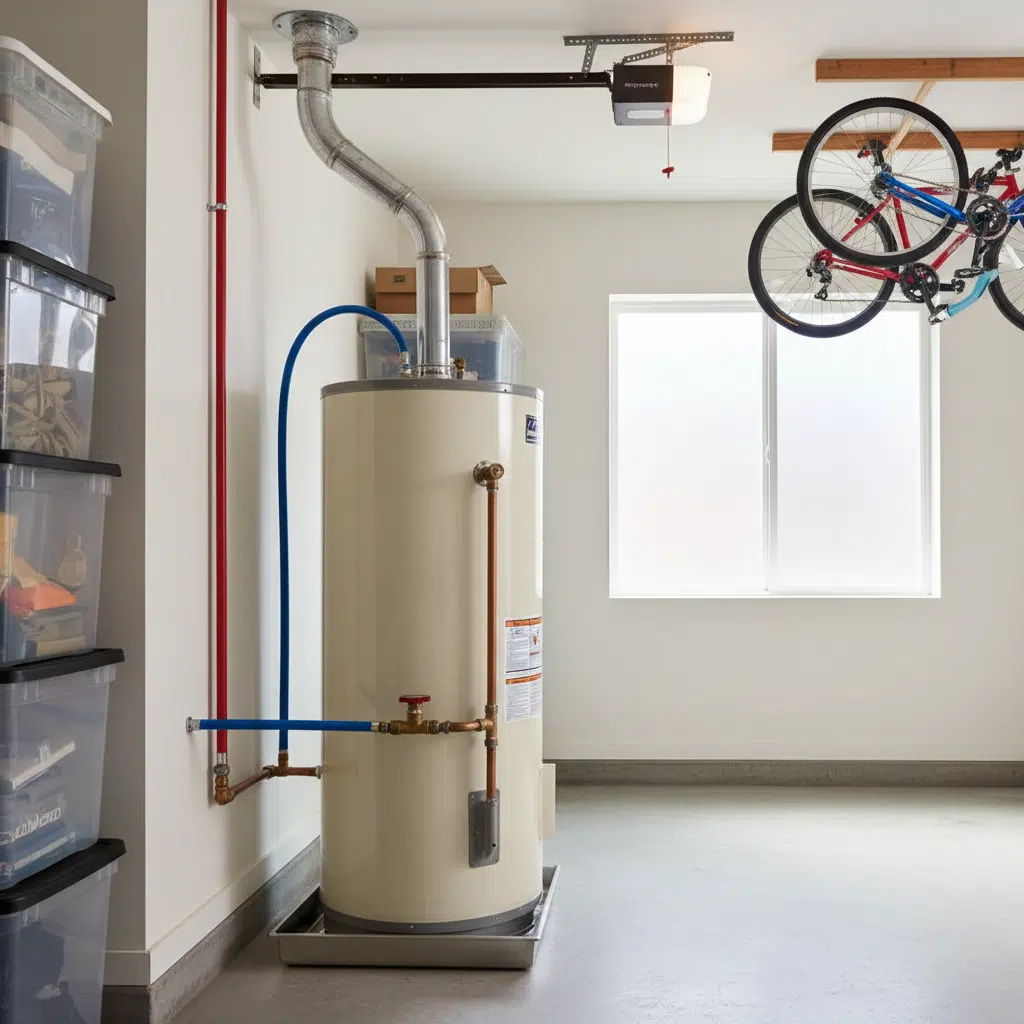
The expansion tank installs on the cold water supply line feeding your water heater. It is typically mounted above the water heater using a tee fitting. Inside the tank, a flexible rubber diaphragm separates two chambers. One chamber connects to your plumbing system and fills with water. The other chamber contains pressurized air, pre-charged at the factory to match standard home water pressure (usually 40 to 60 PSI).
When water heats up and expands, the extra volume enters the water side of the expansion tank, compressing the air bladder. This absorbs the pressure increase smoothly and prevents it from affecting the rest of your system. When you open a faucet and relieve pressure, the air bladder pushes the water back into the system.
Proper installation requires matching the expansion tank’s pre-charge pressure to your home’s incoming water pressure. If the pre-charge is too low, the tank fills with water and becomes waterlogged, unable to absorb expansion. If it is too high, the bladder pushes water back and the tank provides minimal buffering. A licensed Cape Coral plumber will measure your system pressure and adjust the tank’s air charge before installation.
Expansion tanks typically last 5 to 10 years. The rubber bladder eventually wears out and loses its seal, causing the tank to become waterlogged. You can check your expansion tank by tapping on it. The bottom should sound hollow (air side) and the top should sound solid (water side). If the entire tank sounds solid, the bladder has failed and the tank needs replacement.
Florida Building Code Requirements
The Florida Building Code, which follows the International Plumbing Code, requires expansion tanks in closed plumbing systems. Section 607.3.2 of the International Plumbing Code states that an expansion tank or other approved device must be installed when a backflow preventer, check valve, or pressure-reducing valve is present on the water supply line.
Despite this requirement, many homes in Lee County and Charlotte County were built without expansion tanks, either because the code was not strictly enforced at the time of construction or because the home originally had an open system that was later modified. If your home was built before 2000 and has since had a pressure-reducing valve or backflow preventer installed, an expansion tank was likely not added at the same time.
Insurance companies are increasingly paying attention to thermal expansion damage. Some claims for burst water heaters or water damage from failed supply lines have been denied when the insurer determines that the lack of an expansion tank contributed to the failure. Installing one is a relatively inexpensive preventive measure that typically costs between $200 and $400 including labor.
Expansion Tanks for Tankless Water Heaters
Homeowners often ask whether tankless water heaters need expansion tanks. Because tankless units heat water on demand and do not store a large volume of hot water, thermal expansion is significantly less of an issue. However, if your home has a closed plumbing system with a recirculation loop, some thermal expansion still occurs in the piping and the recirculation line. In these cases, a smaller expansion tank may still be recommended.
If you are considering upgrading from a traditional tank water heater to a tankless system, a licensed plumber can evaluate whether your existing expansion tank is still needed or if other modifications to your plumbing system are appropriate.
For homeowners dealing with water heater expansion tank purpose, getting clear guidance before a small issue turns into a larger repair can save time, money, and property damage.
Frequently Asked Questions About Water Heater Expansion Tank Purpose
How do I know if my expansion tank has failed?
Tap the tank with your knuckle. A functioning tank will sound hollow on the bottom half (where the air bladder is) and solid on the top (where water sits). If the entire tank sounds solid or feels heavy, the bladder has ruptured and the tank is waterlogged. A dripping T&P valve on your water heater is another indicator that the expansion tank is no longer absorbing pressure.
Can I install an expansion tank myself?
While the installation itself is relatively straightforward, it requires cutting into your water supply line, matching the tank’s pre-charge to your system pressure, and ensuring proper support since a full expansion tank can weigh 15 to 20 pounds. Florida law requires plumbing modifications to be performed by a licensed plumber or to be inspected by the local building department.
What size expansion tank do I need?
Expansion tank size depends on your water heater capacity and incoming water pressure. A standard 40 to 50-gallon water heater with normal residential pressure (40 to 80 PSI) typically requires a 2-gallon expansion tank. Larger water heaters or systems with higher incoming pressure may need a 5-gallon tank. Your plumber will calculate the correct size based on your specific setup.
How long do expansion tanks last?
Most expansion tanks last between 5 and 10 years. Factors that shorten lifespan include high water pressure, water quality (hard water accelerates bladder deterioration), and excessive temperature cycling. It is good practice to check your expansion tank annually and replace it when signs of failure appear.
Whether you need a new expansion tank installed or want to have your existing one inspected, Waterway Plumbing & Drain Cleaning is here to help. Call us at (239) 471-5068 to schedule service. We serve homeowners throughout Cape Coral, Fort Myers, and all of Southwest Florida with expert water heater services.