
If your toilet keeps clogging, the causes are usually more specific than you might think. A toilet keeps clogging causes frustration for homeowners, but identifying the root problem is the first step toward a permanent solution. Random clogs that happen once in a while are normal, but a toilet that clogs weekly or even daily signals an underlying issue that needs attention. For homeowners in Fort Myers, Cape Coral, and throughout Southwest Florida, understanding these causes helps you decide when a simple fix will work and when professional diagnosis is necessary.
Waterway Plumbing & Drain Cleaning resolves chronic clogging problems for homeowners across Lee, Collier, and Charlotte counties every day. This guide covers the most common reasons toilets clog repeatedly and what you can do about each one.
Low-Flow Toilet Design Problems
Early-generation low-flow toilets, manufactured from the mid-1990s through the early 2000s, are one of the most common causes of chronic clogging in Southwest Florida homes. When federal regulations mandated a reduction from 3.5 gallons per flush to 1.6 gallons, many manufacturers simply reduced the water volume without redesigning the bowl geometry, trapway, or flush valve. The result was toilets that met the water-saving requirement on paper but lacked the flushing power to consistently clear waste.
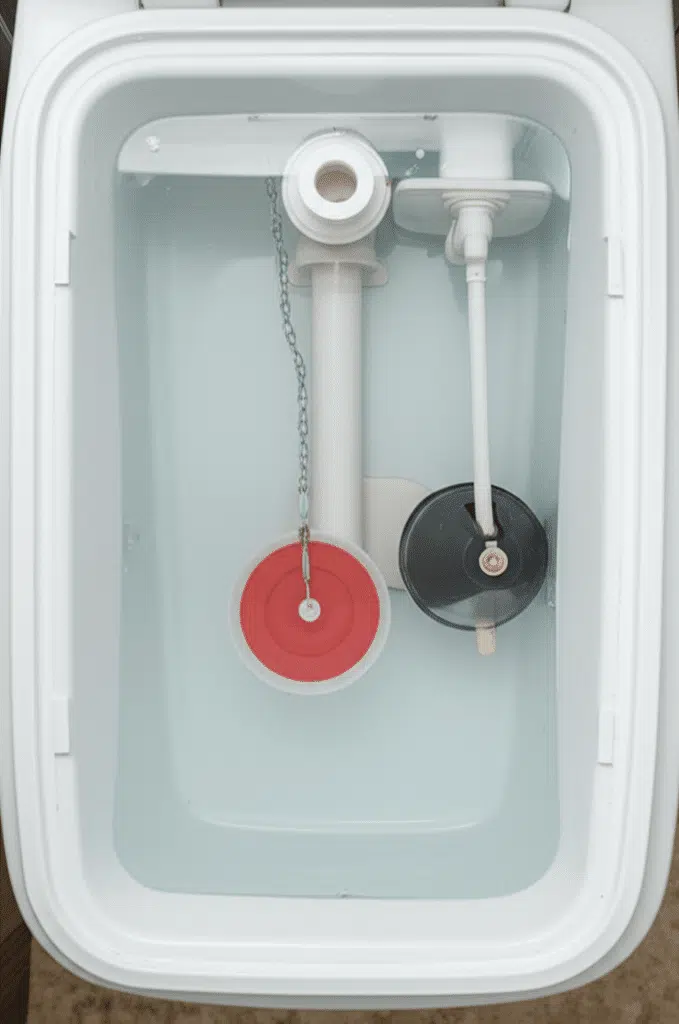
If your home was built or remodeled between 1994 and 2005, check the date stamp inside the tank. Toilets from this era with 1.6 GPF ratings and smaller trapways (the curved passage between the bowl and the drain) are prime candidates for chronic clogging. Modern low-flow toilets use pressure-assisted flushing, wider trapways, and optimized bowl designs that flush far more effectively than their predecessors while using even less water at 1.28 gallons per flush.
Replacing an older low-flow toilet with a modern high-efficiency model is often the most cost-effective long-term solution for chronic clogging. The investment typically pays for itself within a few years through reduced water usage and eliminated plumber visits. Look for WaterSense-certified models, which meet EPA performance standards for both water efficiency and flushing effectiveness.
Drain Line and Trapway Issues
Sometimes the problem is not the toilet itself but what is happening in the drain line downstream. Several drain-related issues cause symptoms that look exactly like a toilet problem.
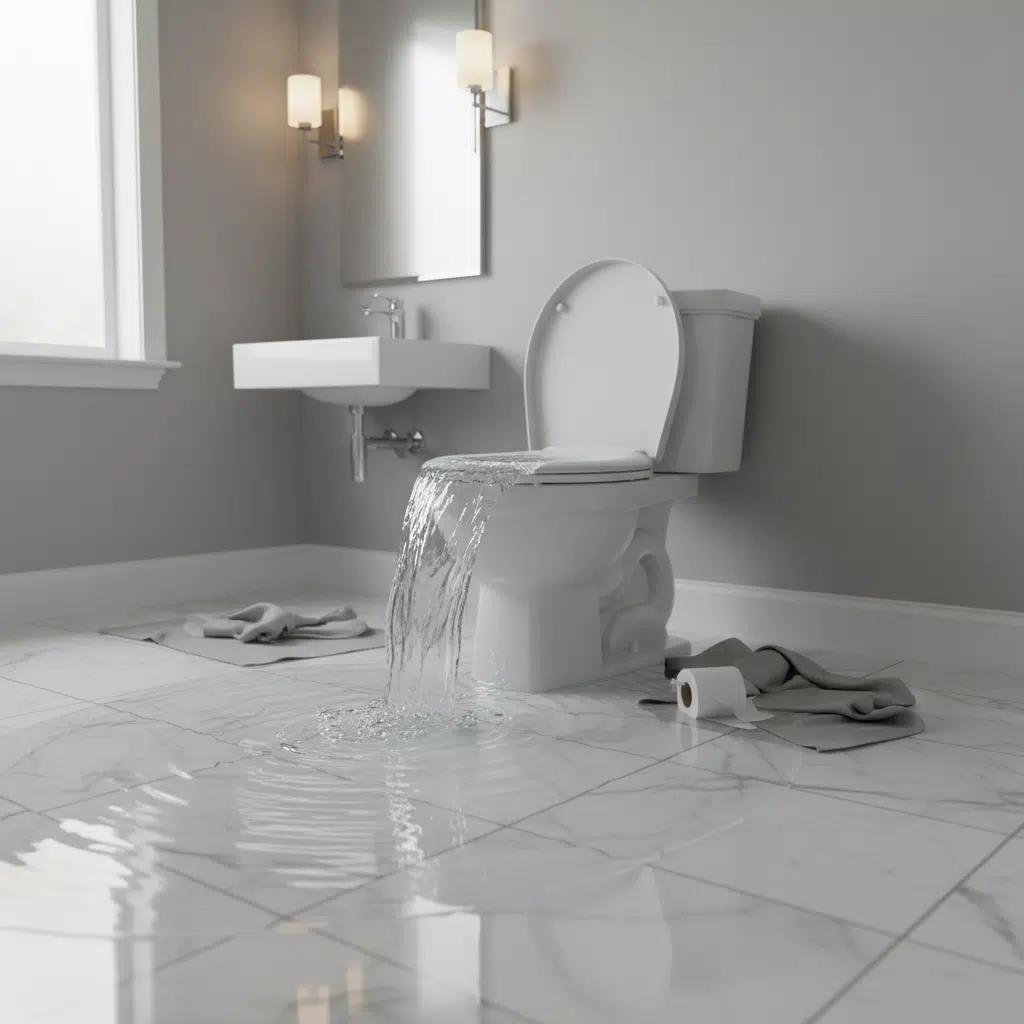
Partial drain line blockage. A partial clog deeper in the drain system restricts flow and causes the toilet to back up during flushing. This is especially common in older Fort Myers homes where cast iron drain lines have accumulated decades of buildup or where tree roots have entered the pipe through joint connections. The toilet flushes fine sometimes and clogs at other times because the partial blockage creates a bottleneck that only backs up when waste volume is higher.
Insufficient venting. Every drain line needs a vent pipe that allows air into the system to maintain proper drainage. If the vent serving your toilet is blocked, partially blocked, or improperly sized, the toilet will drain slowly and clog more easily. Vent blockages in Florida are often caused by debris, bird nests, or wasp nests in the vent pipe opening on the roof. A slow, gurgling flush that seems to lack suction is a classic symptom of a venting problem.
Mineral buildup in the trapway. Southwest Florida’s hard water deposits calcium and other minerals inside the toilet’s trapway over time. This gradually narrows the passage that waste must travel through, making clogs increasingly likely. You may notice a white or tan buildup around the jet holes under the rim and at the siphon jet opening at the bottom of the bowl. Professional descaling or replacement may be needed if buildup is severe.
Improper drain line slope. Drain lines must slope downward at a specific rate, typically one-quarter inch per foot, to maintain proper flow. If a section of drain line has settled, shifted, or was installed with incorrect slope, waste does not flow effectively to the sewer and accumulates at the low point. This is a construction or settling issue that requires professional correction.
User Habits That Cause Chronic Clogging
In many cases, the toilet and plumbing are perfectly fine, and the chronic clogging comes down to what is being flushed and how the toilet is being used. These are the most common habit-related causes we see in Southwest Florida homes.
Flushing non-flushable items. Despite what the packaging says, so-called “flushable” wipes are the single biggest cause of toilet clogs and sewer line blockages. These wipes do not break down like toilet paper and accumulate in drain lines, creating blockages that worsen over time. Cotton balls, feminine hygiene products, dental floss, paper towels, and facial tissues also cause problems because they are designed to hold together when wet, unlike toilet paper which is specifically engineered to disintegrate.
Excessive toilet paper use. Using too much toilet paper in a single flush overwhelms the toilet’s ability to clear the bowl. This is particularly true with thicker, ultra-soft, or multi-ply toilet papers that absorb more water and expand significantly. If clogging is a persistent problem, try reducing the amount of paper per flush or switching to a thinner, more dissolving brand. Flushing twice with smaller amounts of paper is more effective than one large flush.
Not enough water in the tank. If the water level in your toilet tank is set too low, there is not enough volume to create the siphon action needed for a complete flush. Open the tank and check the water level. It should be about one inch below the top of the overflow tube. If it is lower, adjust the float or fill valve to raise the level. This is a simple fix that many homeowners overlook when troubleshooting chronic clogs.
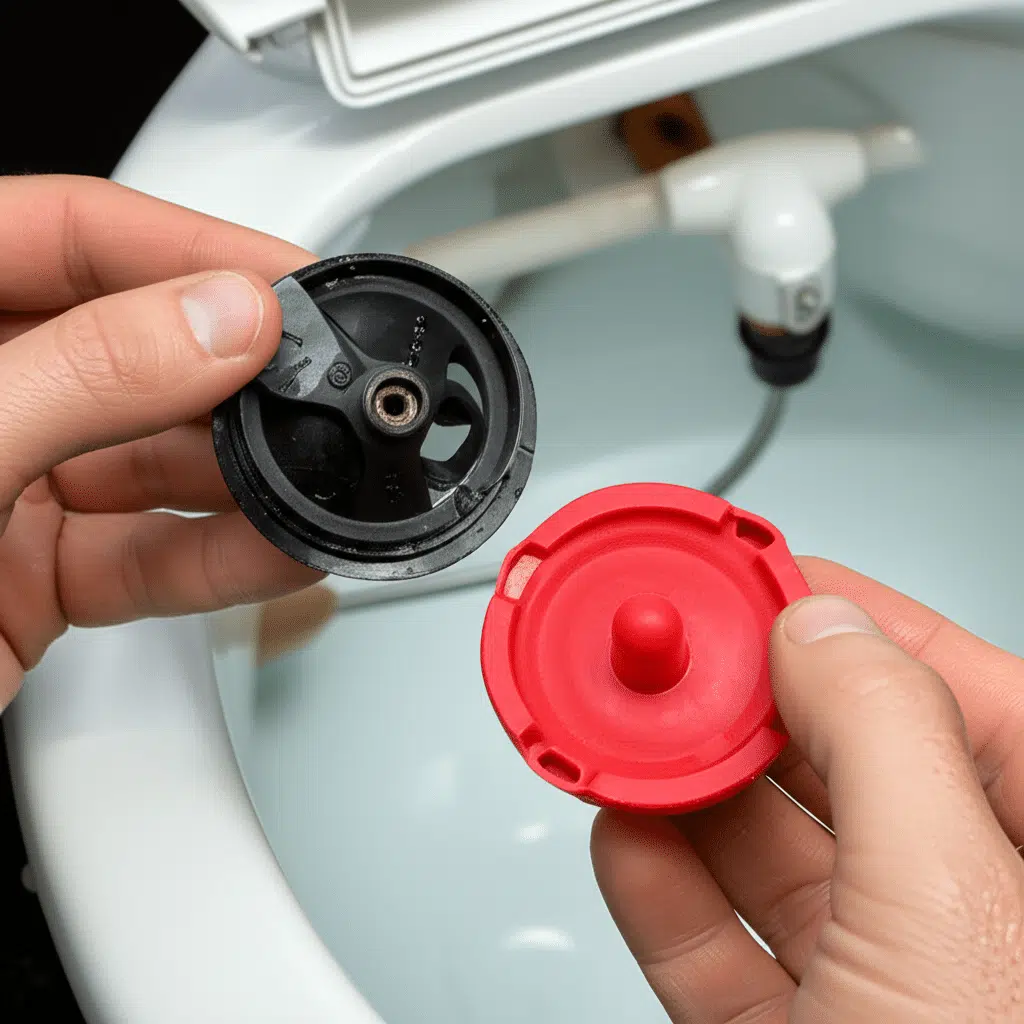
The flapper valve at the bottom of the tank also affects flush performance. A worn or warped flapper closes too quickly, cutting short the flush cycle before all the water has entered the bowl. Flappers are inexpensive and easy to replace, and a new one can make a noticeable difference in flush power.
When to Call a Professional for Chronic Clogging
While a single clog is usually a DIY situation, chronic clogging warrants professional diagnosis. A licensed plumber has the tools and expertise to determine whether the problem is the toilet, the drain line, the vent system, or a combination of factors.
A camera inspection of the drain line reveals root intrusion, line damage, buildup, and slope issues that are invisible from above. This non-invasive diagnostic tool provides a clear picture of the drain’s condition and guides the repair approach. If roots are present, hydro jetting can clear them and restore full flow. If the line is damaged or collapsed, a targeted repair or replacement addresses the problem permanently.
If the toilet itself is the issue, a plumber can measure the trapway, assess the flush mechanism, and recommend whether a repair or replacement makes more sense. Sometimes upgrading the flapper and fill valve restores adequate performance. Other times, the toilet is simply too old or poorly designed, and replacement is the right call.
Call a plumber right away if multiple fixtures in the same bathroom drain slowly, which indicates a shared drain line problem. If you hear gurgling from the toilet when other fixtures are used, this signals a venting issue. If sewage odors are present near the toilet even when it is not clogged, there may be a wax ring failure or a crack in the drain line.
Frequently Asked Questions
Can hard water cause my toilet to clog more often?
Yes. Southwest Florida’s extremely hard water deposits calcium and mineral scale inside the toilet’s trapway and jet holes over time. This narrows the passages through which water and waste travel, reducing flush effectiveness and increasing clog frequency. Regular cleaning of the jet holes with a wire brush or vinegar soak can slow mineral buildup, but heavily scaled toilets may need professional descaling or replacement.
Should I use chemical drain cleaners for a clogged toilet?
No. Chemical drain cleaners are not recommended for toilets for several reasons. They can damage the wax ring seal at the base of the toilet, corrode older drain pipes, and generate heat that can crack porcelain. These chemicals also pose health risks in the enclosed space of a bathroom. A plunger, toilet auger, or professional drain cleaning service are all safer and more effective options.
How do I know if my toilet has a narrow trapway?
Check the manufacturer specifications for your toilet model, usually found inside the tank or in the product documentation. Modern toilets typically have a fully glazed trapway of 2 to 2-3/8 inches in diameter. Older models, especially budget low-flow toilets from the 1990s, may have trapways as narrow as 1-1/2 inches. If your toilet model is not identified, a plumber can measure the trapway and advise whether it is contributing to your clogging problem.
Why does my toilet clog only when multiple bathrooms are in use?
This typically indicates a shared drain line that is partially obstructed or undersized. When one bathroom is in use, the drain handles the flow. When two or more bathrooms send waste simultaneously, the combined volume overwhelms the restricted section of drain. A camera inspection can identify the bottleneck, which is often root intrusion, buildup, or an original construction deficiency in the drain line sizing.
Tired of dealing with a toilet that clogs constantly? Waterway Plumbing & Drain Cleaning diagnoses and fixes the root cause of chronic toilet problems throughout Fort Myers, Cape Coral, and all of Southwest Florida. We use camera inspections, professional drain cleaning, and expert assessment to solve the problem permanently. Call (239) 471-5068 to schedule a diagnosis.


